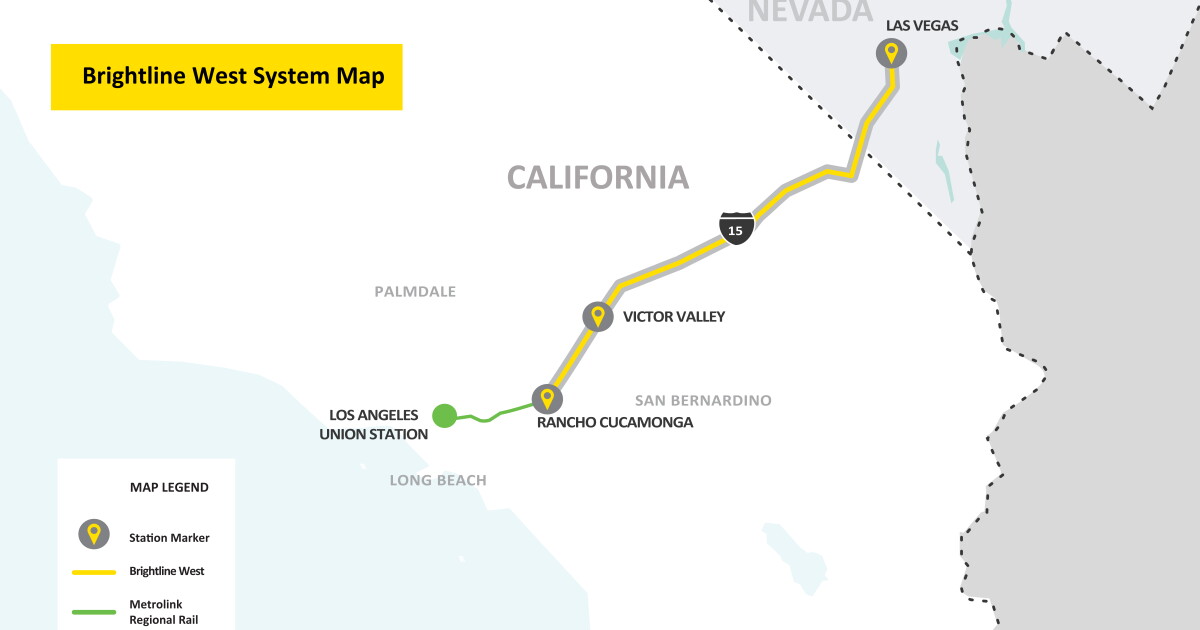
Brightline West Status Check: What’s Delaying 200 MPH Rail?

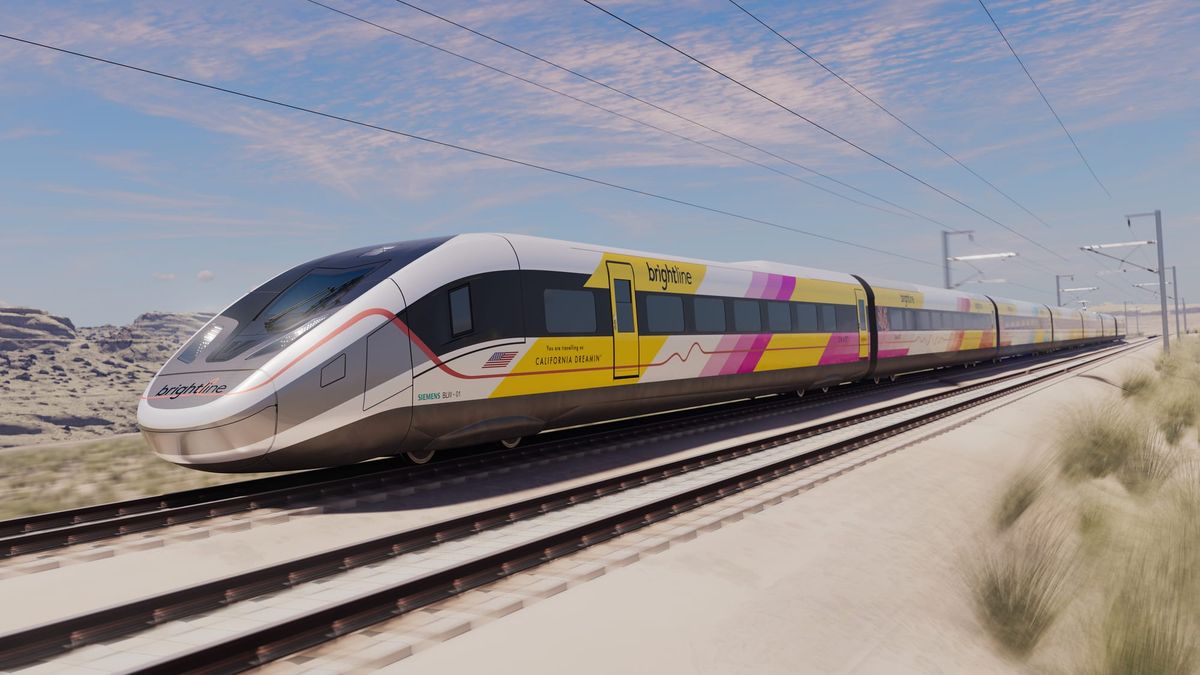
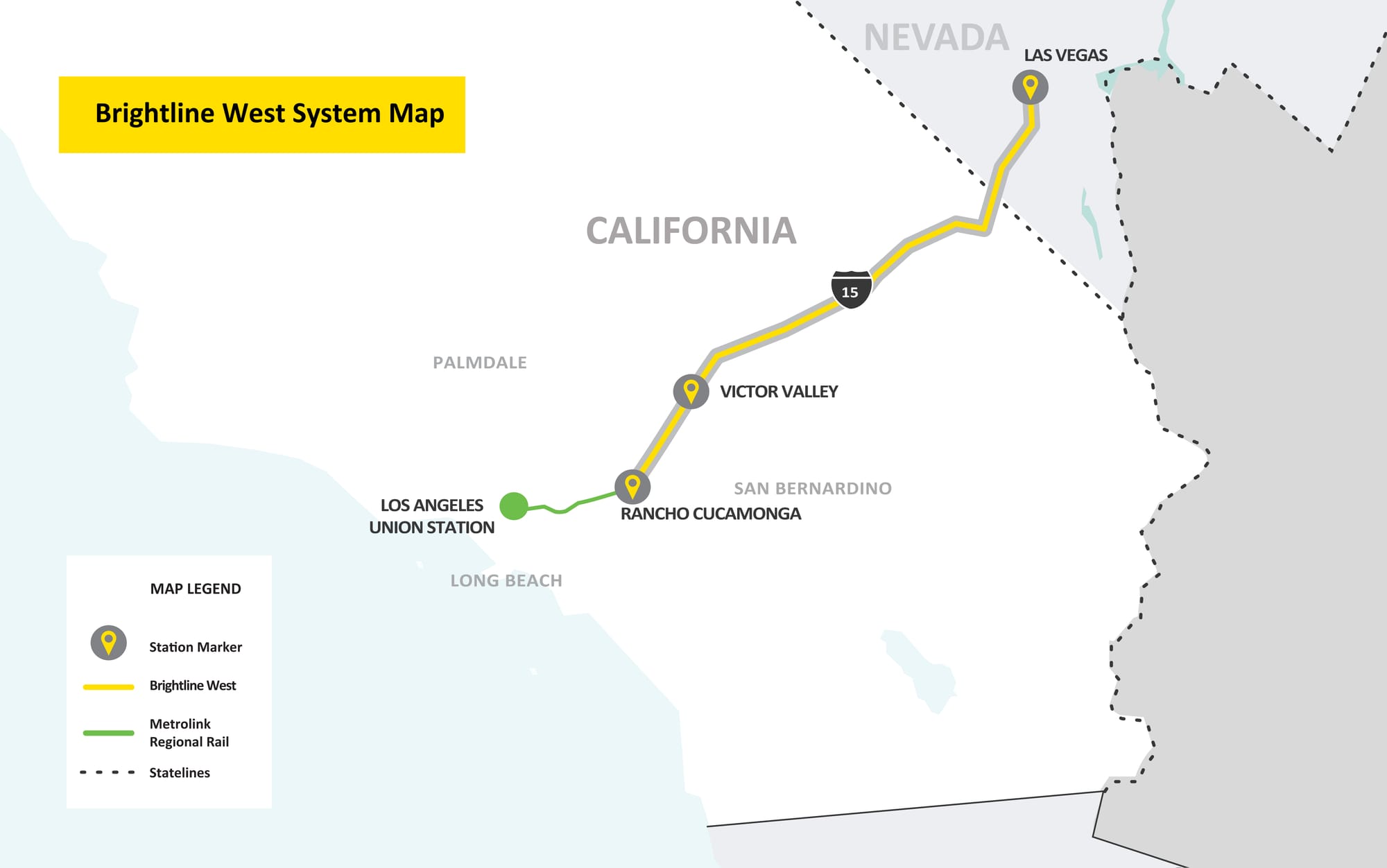
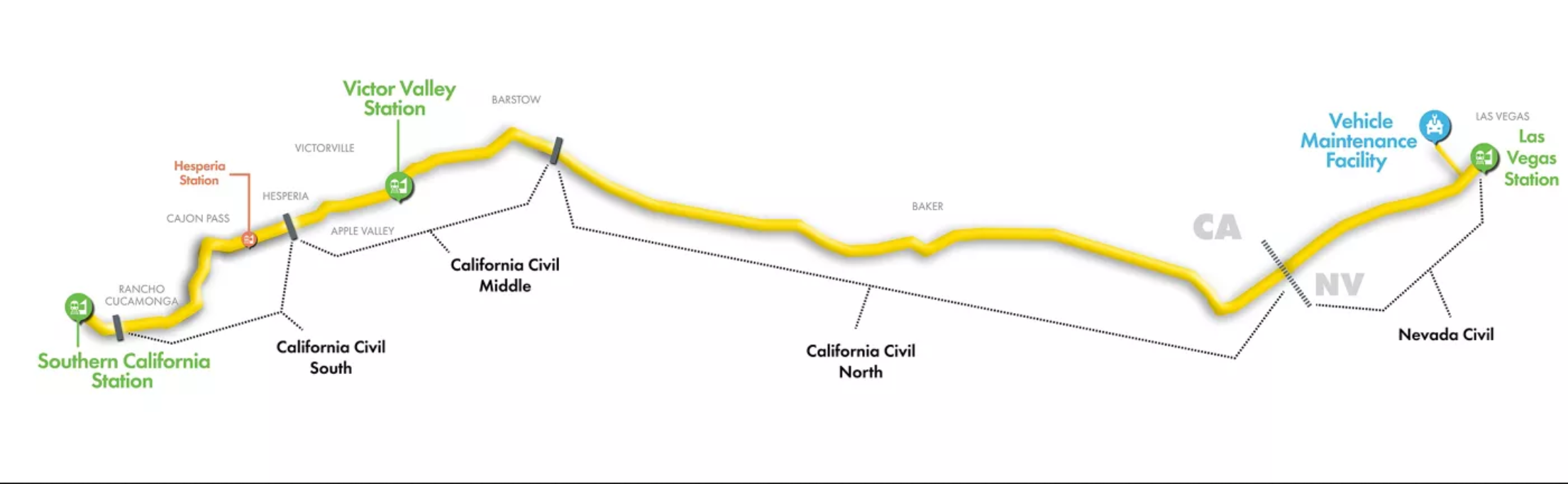
As a civil engineer, I have always been fascinated by large-scale sustainable transit. I have been keeping a close eye on the United States' attempt to build an equivalent system: Brightline West. When groundbreaking officially kicked off on April 22, 2024, for the 218 mile (350 km) all-electric high-speed rail line connecting Las Vegas to Southern California, it felt like the U.S. was finally on the verge of its first true 200 mph (~322 kmh) high-speed corridor (I am not going to talk about CAHSR... that's a topic for another day). However, as we approach the end of 2026, the project has hit significant speed bumps. Recent financial bottlenecks have left many transit enthusiasts and engineering observers asking what is going on with Brightline West, and why full-scale construction has stalled.
Project History and The Construction Timeline
The concept of a high-speed rail link between Southern California and Las Vegas has been floating around for over a decade, but it gained serious momentum when Brightline took over and rebranded the project. Brightline had already proven its ability to deliver and operate private intercity passenger rail with its successful network in Florida connecting Miami to Orlando. While the Florida corridor utilizes traditional diesel-electric engines topping out at 125 mph (200 kmh) rather than true high-speed electrified tech, their operational success gave federal regulators and transit advocates confidence that the company could execute the far more ambitious Nevada-California route. After navigating years of environmental reviews, Brightline West celebrated a massive ceremonial groundbreaking in April 2024. The initial goal was an aggressive construction schedule aimed at opening the line in time for the 2028 Los Angeles Summer Olympics.
Unfortunately, that timeline has slipped significantly. Transit authorities and project monitors confirm that the anticipated start of revenue service has been pushed back to late 2029, completely missing the Olympic window. As of an October 12, 2026 construction advisory from Brightline, heavy civil construction along the interstate corridor is not yet underway. Instead, active operations are currently limited to field investigation work in Southern California. The latest updates show crews performing preliminary geotechnical drilling and air vacuum utility clearing along Jersey Boulevard and Rochester Avenue in Rancho Cucamonga.
Engineering Design and Economic Delays
From a civil engineering and project management perspective, several compounding factors led to a massive budget increase and the subsequent delays. The heavy civil sector has been hit incredibly hard by persistent inflation due to rising costs and procurement difficulties. There has been significant inflation in the cost of skilled labor, structural steel, concrete, and the specialized rail equipment required for 200 mph travel. When the baseline cost of these critical materials jumps, a multibillion-dollar budget evaporates very quickly.
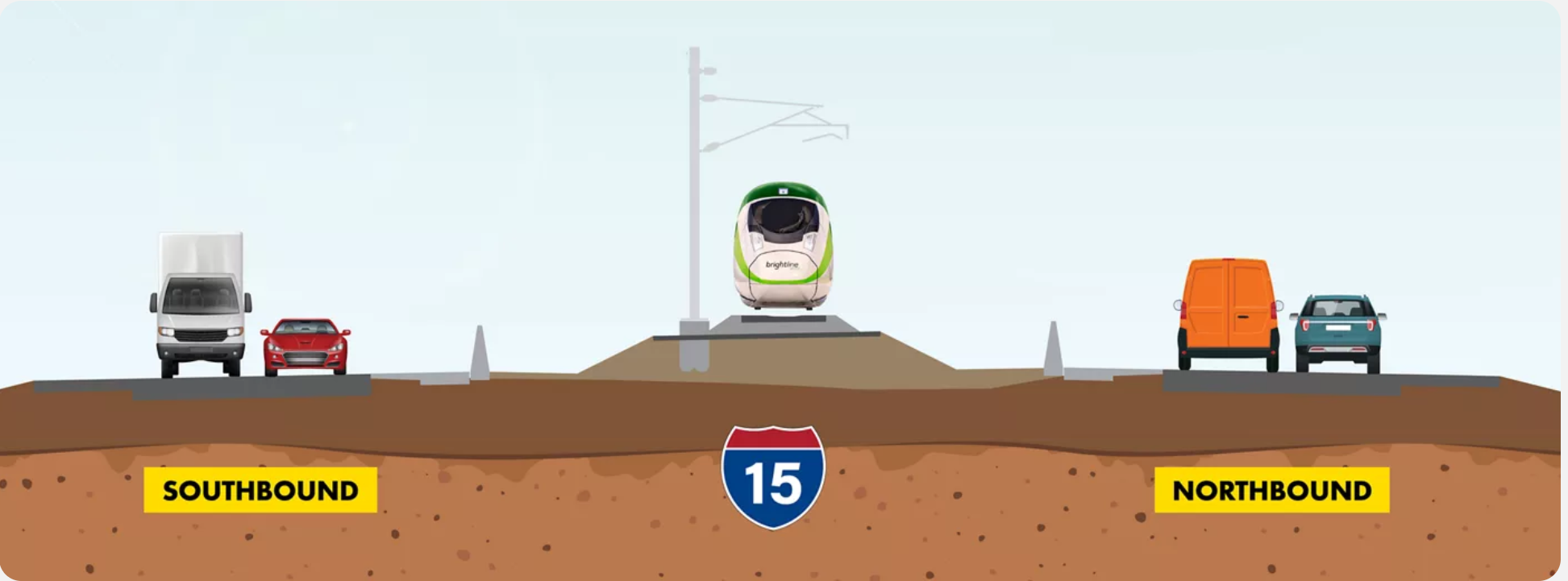
Building a 200 mph train within the existing I-15 highway median requires an extensive network of design and construction partners to coordinate incredibly complex logistical challenges. This coordination extends beyond just the contractors, as the project must also navigate complex environmental reviews and approvals from a web of notable permitting agencies. Key federal and state agencies overseeing the corridor include the Federal Railroad Administration (FRA), the Bureau of Land Management (BLM), the Surface Transportation Board (STB), the Federal Highway Administration (FHWA), the California Department of Transportation (Caltrans), and the Nevada Department of Transportation (NDOT).
Brightline West tapped HNTB to lead the final design, planning, and environmental documentation, with Grimshaw acting as the lead architect and Arup supporting structural and MEP engineering. To physically build the corridor, Brightline selected SWH, a joint venture between Stacy Witbeck and Herzog, to act as the general contractor, alongside Siemens Mobility for domestic rolling-stock manufacturing. This massive team must design systems to mitigate extreme thermal expansion of continuous welded rail in the Mojave Desert heat, while navigating heavy mountain pass realignments without disrupting interstate traffic. Until the federal loan is finalized, this roster of contractors remains limited to preliminary site work.
Escalating Costs and The Funding Gap
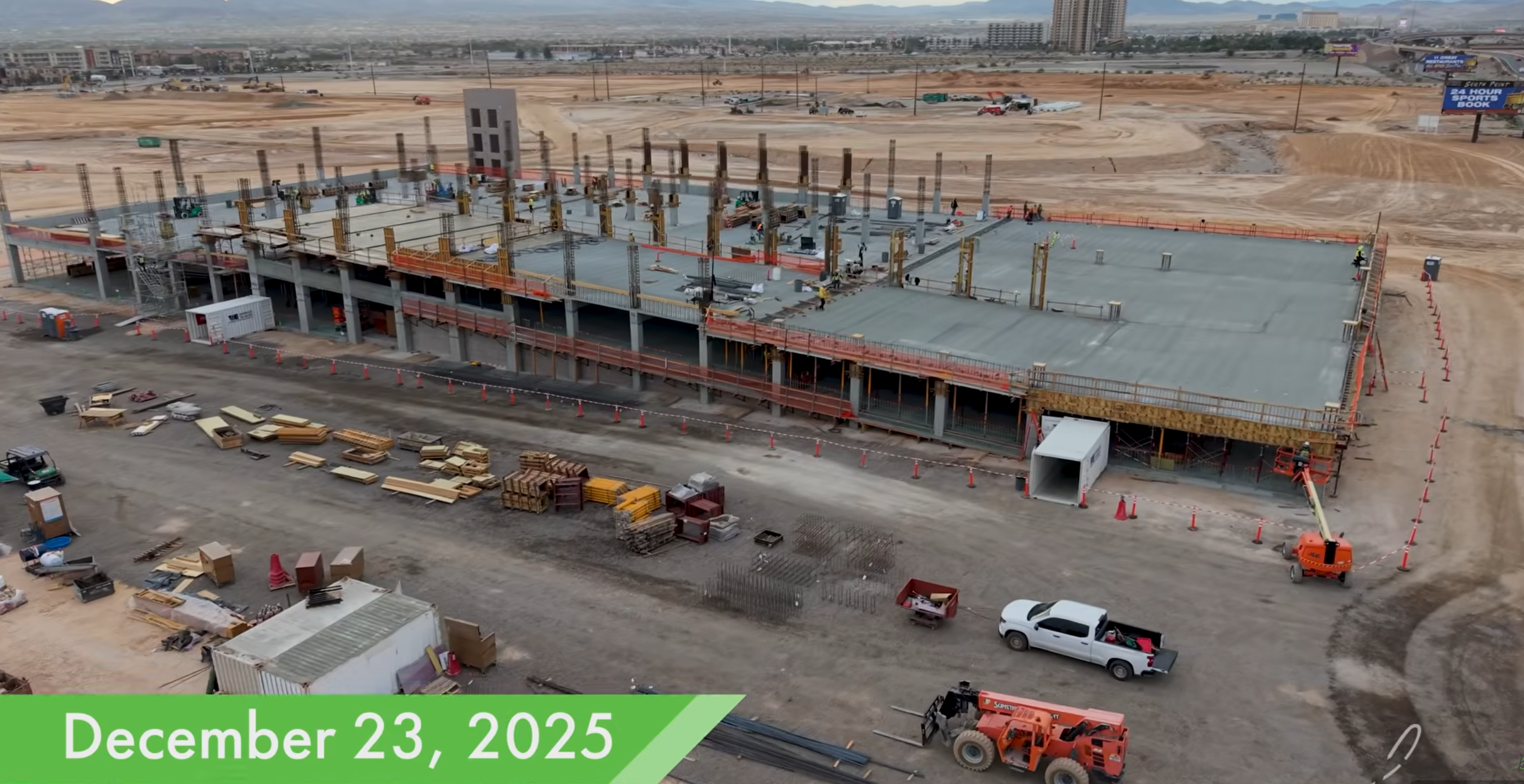
The core of the current delay is not a structural design flaw, but rather the harsh reality of megaproject capital mechanics. When the project was aggressively pitching its timeline in early 2024, original cost estimates placed the total project budget around $12 billion. However, due to shifting macroeconomic factors, those estimates have drastically ballooned to a staggering $21.5 billion.
To fund this massive endeavor, the project previously secured a landmark $3 billion federal grant. Brightline expected to cover the remaining gap by relying heavily on private financing and equity. Because of the skyrocketing costs, the company was forced to request a massive $6 billion loan from the U.S. Department of Transportation through the Railroad Rehabilitation and Improvement Financing (RRIF) program. Throughout late 2026, Brightline West has been actively waiting on the approval of this federal loan.
Because the RRIF loan has not been approved, other major pieces of the financing stack are facing continuous extensions. In addition to the loans, Brightline West faces a strict deadline to secure a required $400 million equity investment to keep its broader financing structure intact. This mandatory "Equity Contribution Condition Deadline" has been pushed back multiple times throughout the year. Most recently, a document dated October 29, 2026 (referred to as the Sixth Supplement Date), officially extended the deadline from November 2, 2026, to January 12, 2027. This new January deadline also serves as the project's "Grace Period Termination Date". The inability to finalize this combined private and federal funding package is the primary reason heavy earthmoving remains paused. If the company fails to meet this early 2027 equity deadline, it could trigger bondholders to demand their money back, completely jeopardizing the financial viability of the corridor.
The Travel Time and Cost Equation
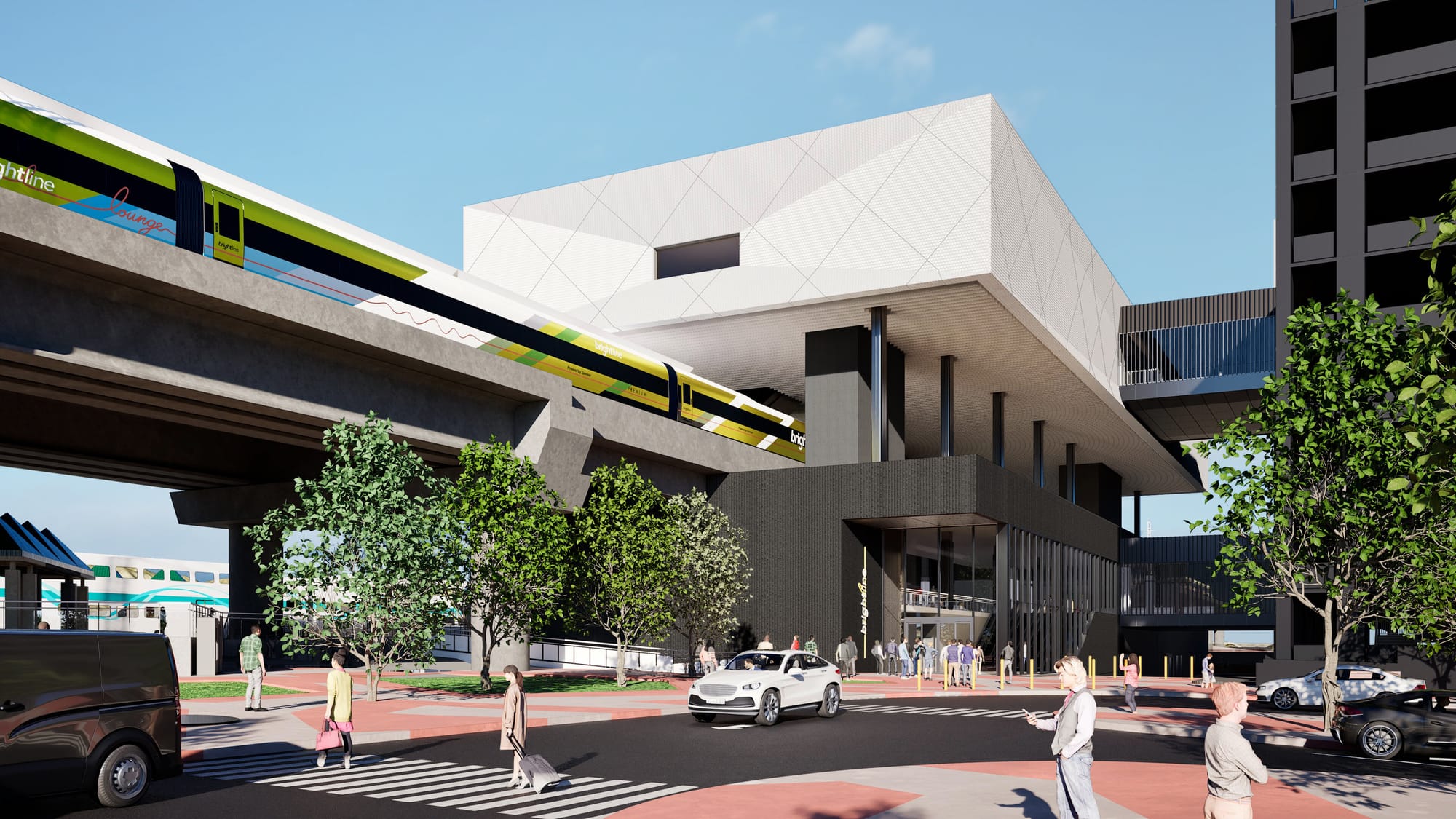
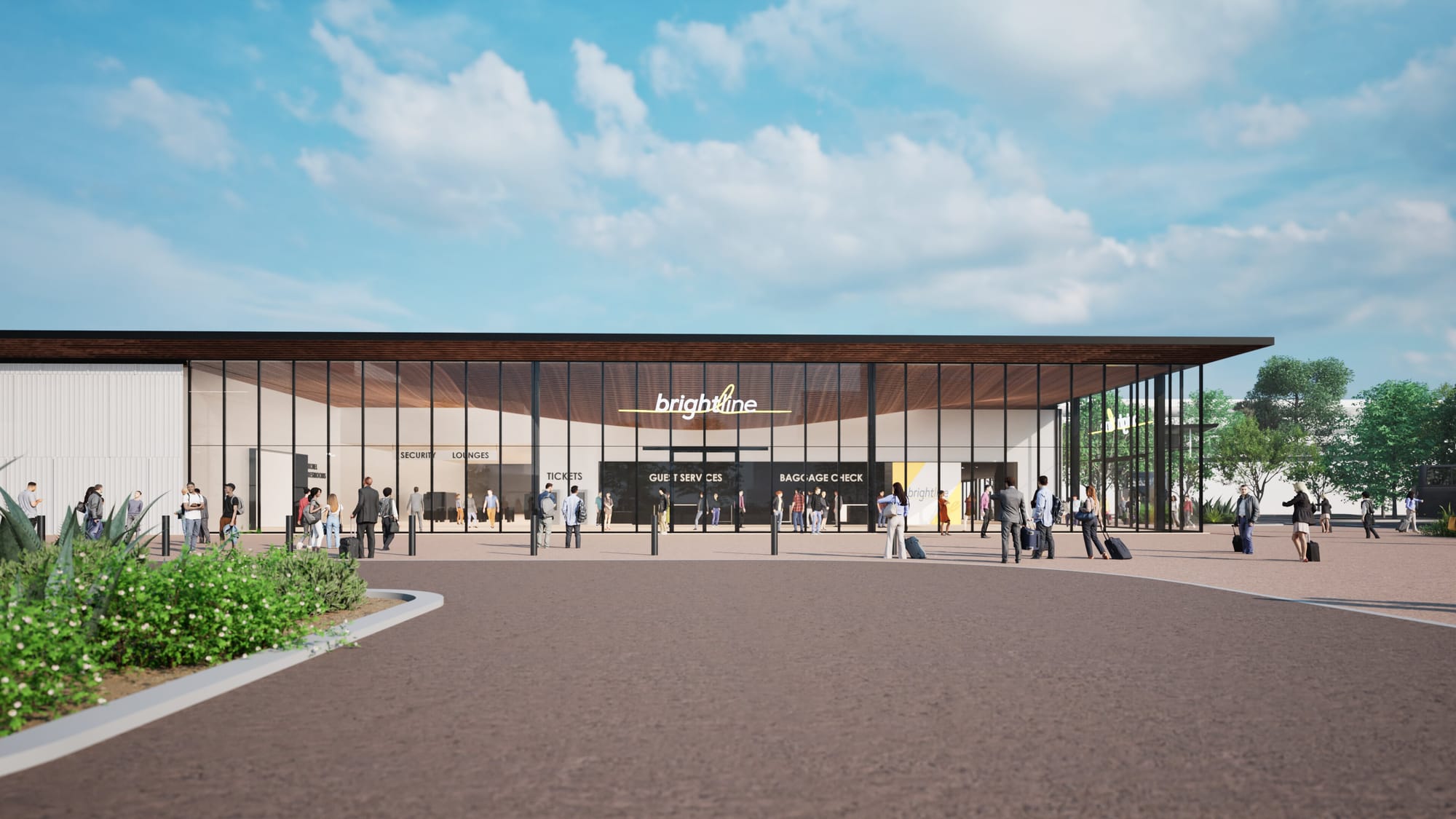
From a transportation planning perspective, the ultimate test of Brightline West will be how it compares to existing travel methods: driving Interstate 15 and flying out of Southern California airports. Once operational, the high-speed trains are designed to travel at speeds up to 200 mph, completing the journey from the Rancho Cucamonga station to Las Vegas in approximately 2 hours and 10 minutes. For passengers originating in downtown Los Angeles, a coordinated Metrolink connection brings the total transit time to around 3 hours. By comparison, driving the I-15 corridor typically takes about four and a half hours in clear conditions. However, during peak weekend travel periods, heavy highway congestion frequently extends the drive to seven hours or more. Flying offers the shortest direct transit time, with flights averaging an hour and fifteen minutes in the air. Yet, total travel time generally extends to three or four hours when accounting for transit to the airport, security screening, and boarding procedures. Financially, recent bond filings indicate Brightline West's projected ticket prices will range between $119 for standard class and $133 for premium seating each way. Travelers will ultimately have to weigh these fixed ticket prices against fluctuating airline fares and the varying time costs of I-15 traffic when choosing their preferred route across the Mojave.
What’s Next?
Ultimately, the immediate future of Brightline West comes down to federal bureaucracy, not engineering. Without the $6 billion RRIF loan, major construction is completely frozen. If the Department of Transportation approves the application in early 2027, we can expect to see heavy equipment rapidly mobilize to the I-15 median and massive earthmoving operations begin shortly after. However, if the loan is denied or delayed much longer, Brightline risks blowing past its private equity deadlines entirely. If bondholders demand their money back, it could force a massive financial restructuring or effectively kill the project. Even in a best-case scenario where the funding clears tomorrow, hitting a late 2029 revenue service date is going to be an incredibly tight schedule for building over 200 miles of brand-new high-speed rail infrastructure in harsh desert conditions. For now, the corridor remains mostly quiet, and the next major milestone is entirely in the hands of the federal government.
Sources Used:


 Matthew Seeman
 Caitlin Devitt