Rail Transit in Puerto Rico

In July 2025, I took a trip to Puerto Rico and stayed in the Ocean Park neighborhood of San Juan for a week. I spent the whole time getting around by Uber and a rental car, completely unaware that a heavy-rail metro system was operating just a short drive away.
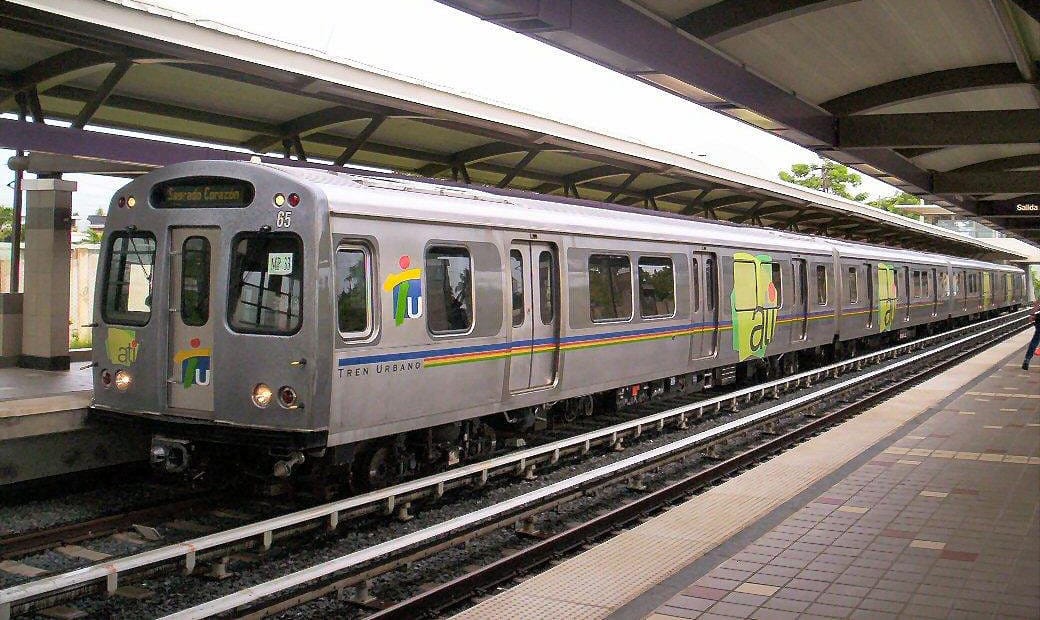
It wasn't until later that I learned about Tren Urbano. A 16-station train line that runs through major parts of the city. Unfortunately, like most tourists, I never had a reason to use it. It simply didn't go where we needed to go.
To understand why this system exists but often goes unused, let's look at the history and future of Puerto Rico's passenger rail.
The Past
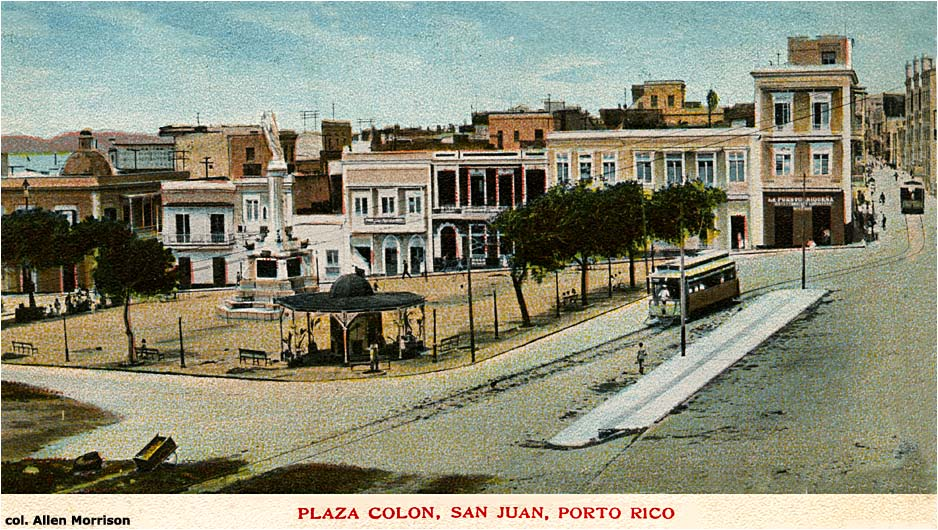
Until 1946, Puerto Rico had an expansive streetcar network that rivaled the systems found in major cities like New York and Toronto. Known locally as the "Trolley de San Juan," it was operated by the Porto Rico Railway, Light and Power Company. The system spanned over 32 kilometers (approximately 20 miles) of track and operated at a peak ridership of 10 million passengers per year.
After World War II ended, the rise of automotive travel and a decrease in the agricultural industry led to the discontinuation of the streetcar network. In its place came a wave of highway construction and road-widening projects that reshaped Puerto Rico’s landscape.
In 1967, a rapid transit system was proposed for the San Juan metropolitan area. However, it took decades of negotiation between the U.S. Federal Government and local authorities before a concrete plan emerged. Finally, in 1993, the Puerto Rico Department of Transportation and Public Works (DTOP) officially adopted the proposal to begin the engineering design for what we now know as Tren Urbano.
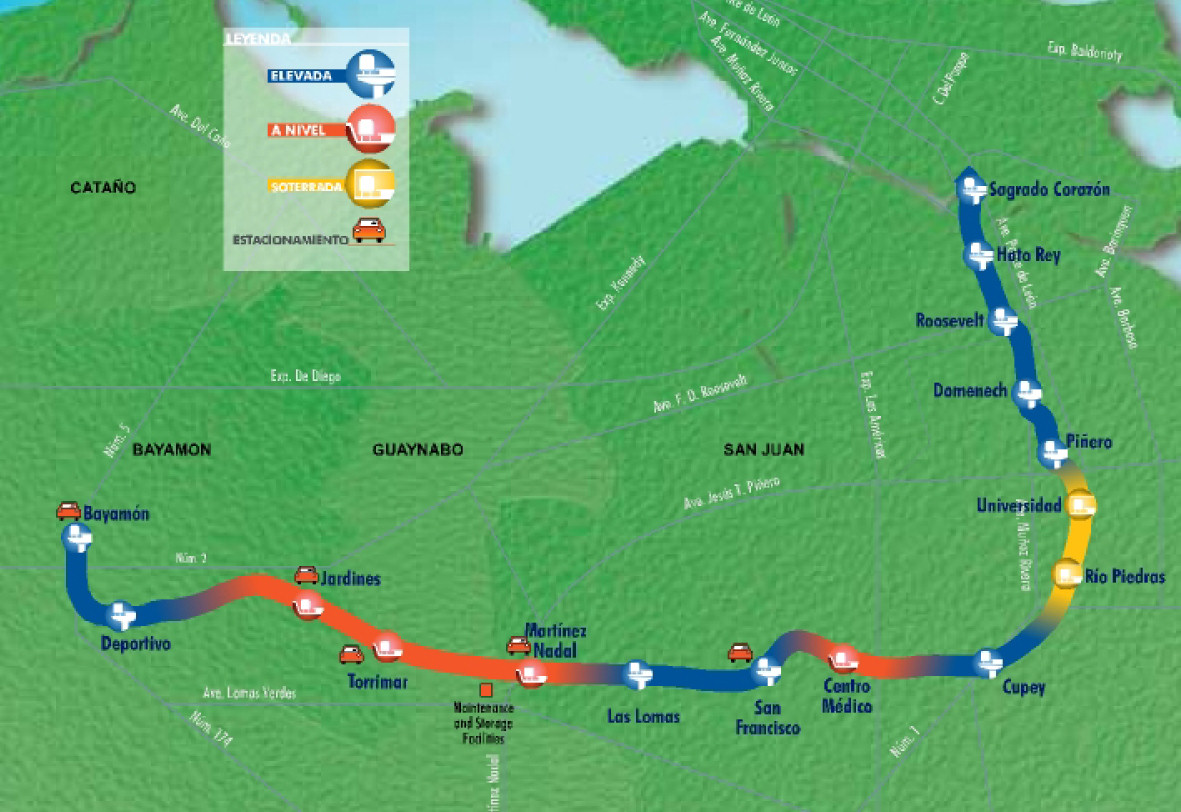
By 1996, the reality of budget constraints forced significant compromises. The final design cut several key planned stations, most notably a terminus in Old San Juan and a direct connection to Luis Muñoz Marín International Airport, in favor of economic cost savings. The hope was that these extensions would be added in later phases of construction.
The project was divided into seven design-build contracts. Notably, this was the first turnkey project in the United States for the German rolling stock manufacturer Siemens AG, which was contracted to design, build, and operate the system.
Construction spanned eight years, plagued by delays, disputes, and allegations of governmental mismanagement. Phase 1 of the Tren Urbano was finally inaugurated on December 19, 2004. The 17.2-kilometer (10.7-mile) line came with a staggering price tag of $2.25 billion. This amount is equivalent to approximately $4 billion today when adjusted for inflation.
Unfortunately, there is no passenger rail service for the island of Puerto Rico itself, and Tren Urbano sits primarily within the city limits of San Juan. This was not always the plan. In 1971, a proposal known as T.U.S.C.A. (Transportation and Urban Settlement Combined Action) pushed for transit connections across the entire island. However, due to a lack of funding, those ambitious plans never materialized.
The Present
Today, the Tren Urbano remains in its Phase 1 configuration, just as it was upon its debut in 2004. The system consists of 16 stations that vary between elevated, at-grade, and underground structures. The fleet is comprised of 74 Siemens passenger cars that operate daily from 5:50 AM until 11:30 PM. Trains run with a frequency of every 8 minutes during peak hours and approximately every 12 to 16 minutes during off-peak times.
The ride itself is efficient. With an average speed of 20.6 mph and a top speed of 62 mph, the train traverses the entire length of the line in approximately 28 to 30 minutes. To put that in perspective, driving this same route during San Juan's notorious rush hour can easily take 45 to 60 minutes. Trying to make the same journey by bus is even worse, often taking upwards of an hour and a half due to frequent stops and transfers.
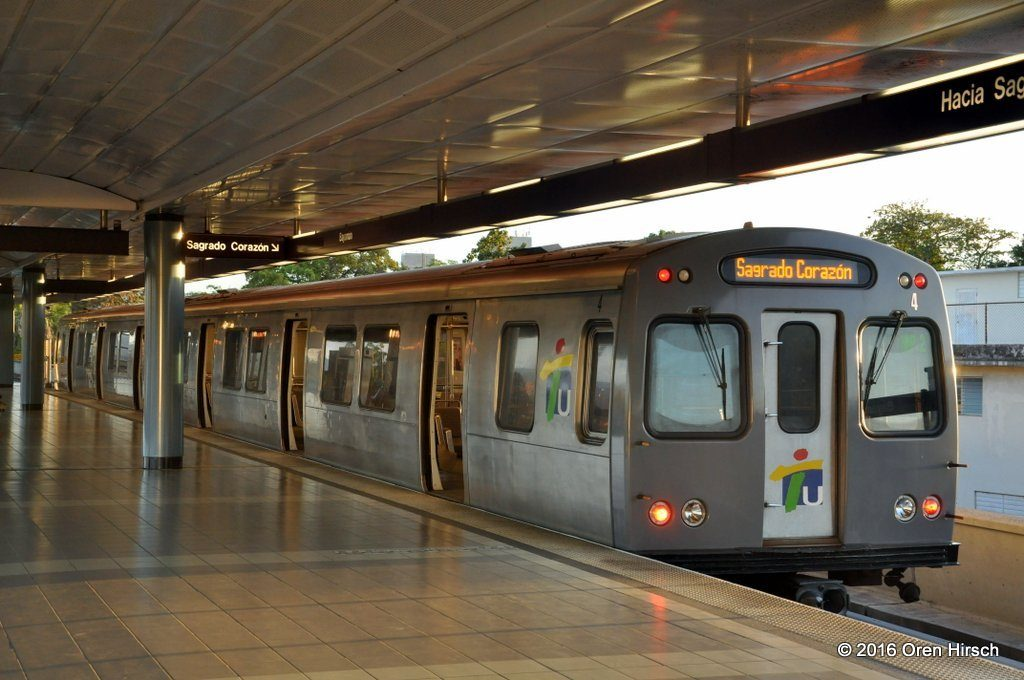
One of the system's most praised features is the distinct architecture of its stations. Designed by a collaboration of local Puerto Rican architects and artists, each station features a unique aesthetic meant to reflect the culture and environment of the island while maintaining a sleek, modern look. As the first rail transit system of this scale in the Caribbean, it stands as an impressive feat of engineering and design.
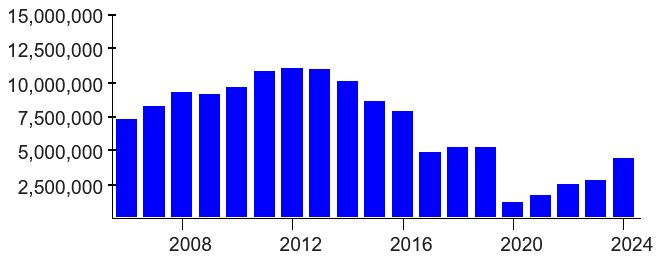
Despite its modern amenities and a very affordable fare of $1.50 per trip, the Tren Urbano suffers from a critical flaw that limits its potential. The system currently struggles with low ridership, averaging around 21,000 weekday passengers in recent years. (~4.5 million total passengers per year).
The primary reason for this under utilization is that the line does not connect to the two most critical destinations in the metropolitan area: Luis Muñoz Marín International Airport and Old San Juan. The latter is particularly significant, as the Old San Juan cruise port welcomes over 1.6 million passengers annually. Because the train stops short of these hubs, it fails to serve the massive volume of tourists and locals who need to travel between the airport, the historic district, and the city center.
Future
For decades, maps of the Tren Urbano have shown dotted lines promising extensions to the airport, Carolina, and Caguas. These were known as Phase 2 and Phase 3. However, those grand plans have largely been set aside in favor of a more focused and immediate goal. The current priority is fixing the system’s biggest flaw by finally connecting it to Old San Juan.
This project is officially called the Northwest Extension and is led primarily by Autoridad de Transporte Integrado (ATI), a subdivison of Puerto Rico's DTOP.
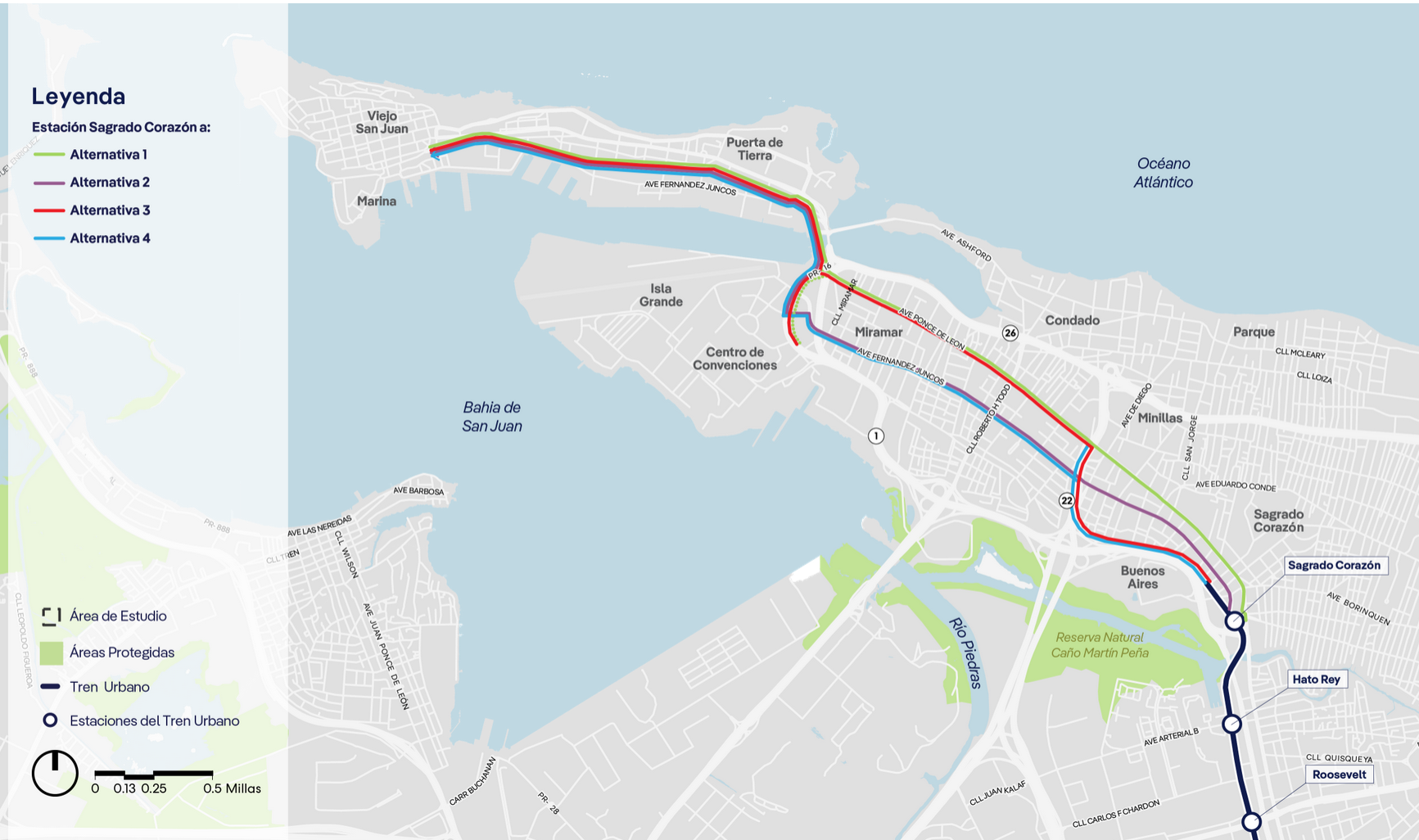
In early 2026, the transit authority moved forward with a serious study to determine how to bridge the gap between the current end of the line at Sagrado Corazón and the historic district. Unlike the vague promises of the past, this study presents four specific, engineered alternatives that are currently on the table.
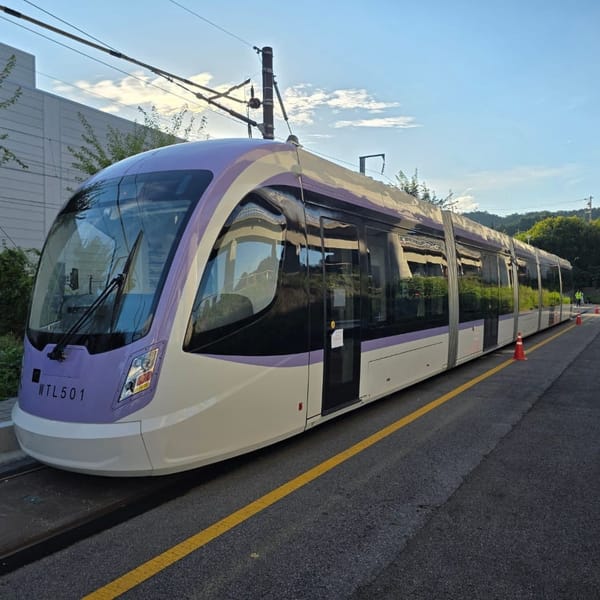
The most ambitious plan involves extending the heavy rail line just one stop further to a new underground station in Minillas. Unlike the current dead-end at Sagrado Corazón, Minillas is a major destination in its own right, packed with government centers, office buildings, and arts venues. However, the heavy train itself would not go all the way to the historic district. Instead, the plan is to have passengers transfer at Minillas to a new Light Rail Transit (LRT) system that would continue the rest of the way into Old San Juan.
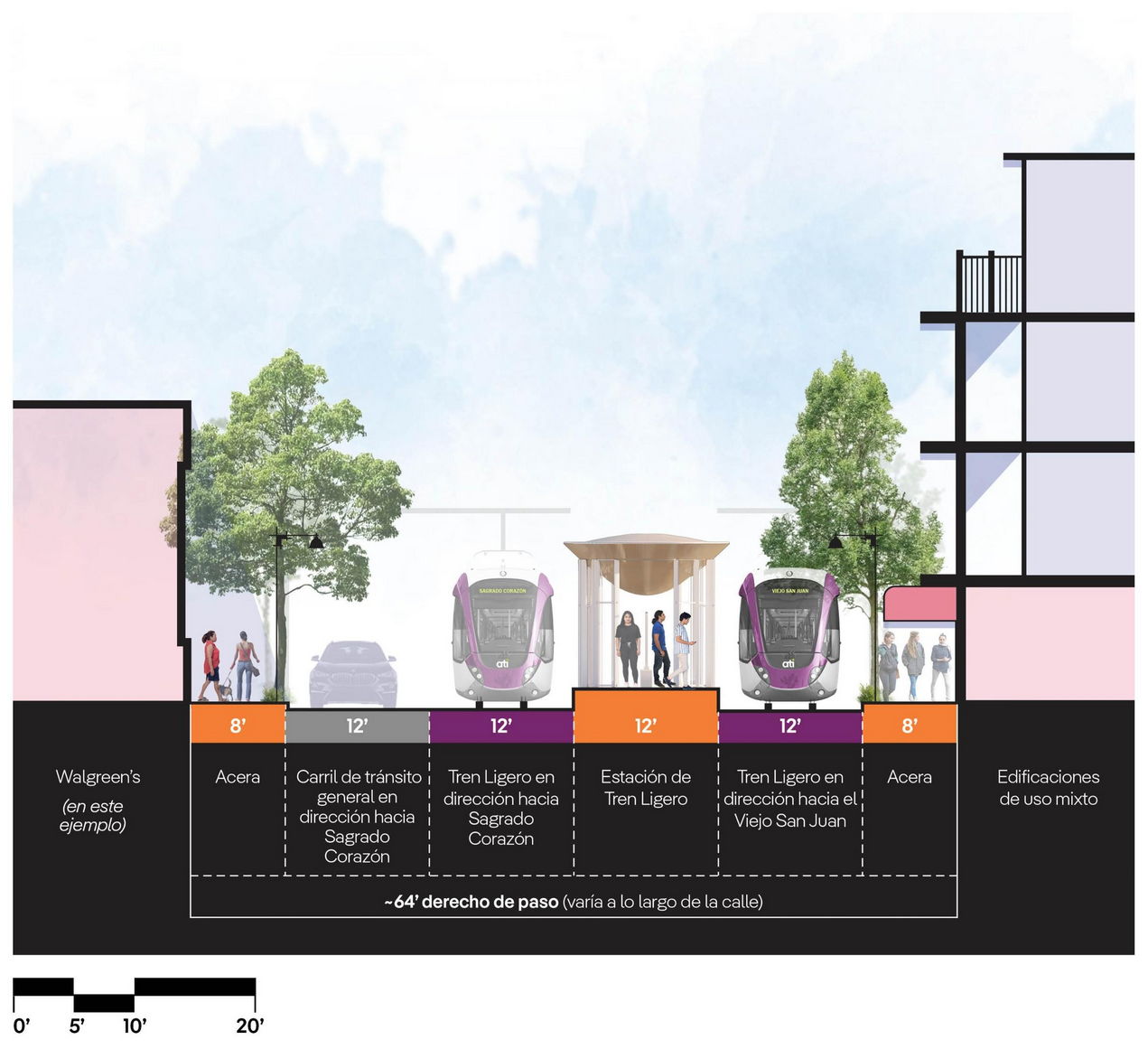
On the other hand, the Light Rail alternative proposes building a streetcar or tram system that runs on street level. It is cheaper and faster to build than heavy rail and could help revitalize the streets of Santurce, but it forces riders to transfer trains at Sagrado Corazón. The final option is Bus Rapid Transit, or BRT. This would create dedicated lanes for high-capacity buses that operate like trains. While it is the most affordable option, it also requires a transfer. Additionally, many locals worry that without strict enforcement of the dedicated lanes, the buses will just get stuck in San Juan's notorious traffic.
The government is expected to select a locally preferred alternative later in 2026. Once they choose the mode, they can apply for federal funding to begin detailed design and construction. If they choose the simpler Bus Rapid Transit, we could see service begin as early as 2032. If they commit to the heavy rail extension, construction will be much more complex, and we likely won't see trains rolling into Old San Juan until the mid-to-late 2030s. While the timeline is still years away, this is the first time in two decades that there is a genuine, federally backed process to finish what was started. The dream of a train to Old San Juan is still alive, but it just has a few more stops to go before it becomes reality.
Sources Used: