Seoul's Brand New Tram line
The Wirye Line: Seoul's first tram after 58 years

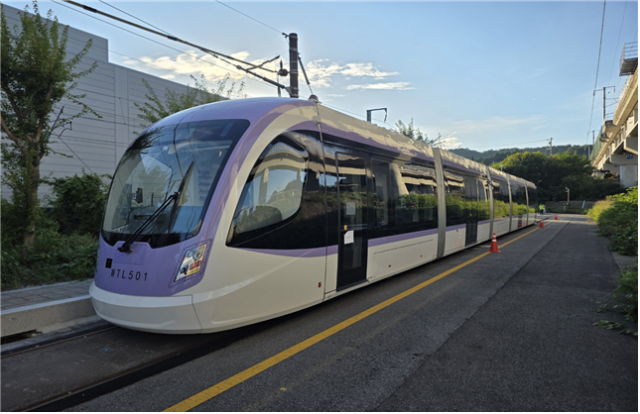
Streetcars are a familiar sight in cities like San Francisco or Toronto, where they often weave through daily traffic. While the terms streetcar and tram are frequently used for the same vehicles, a functional distinction exists. Traditional streetcars typically share lanes with automobiles, but a modern tramway operates on dedicated tracks to ensure it stays on schedule regardless of road congestion.
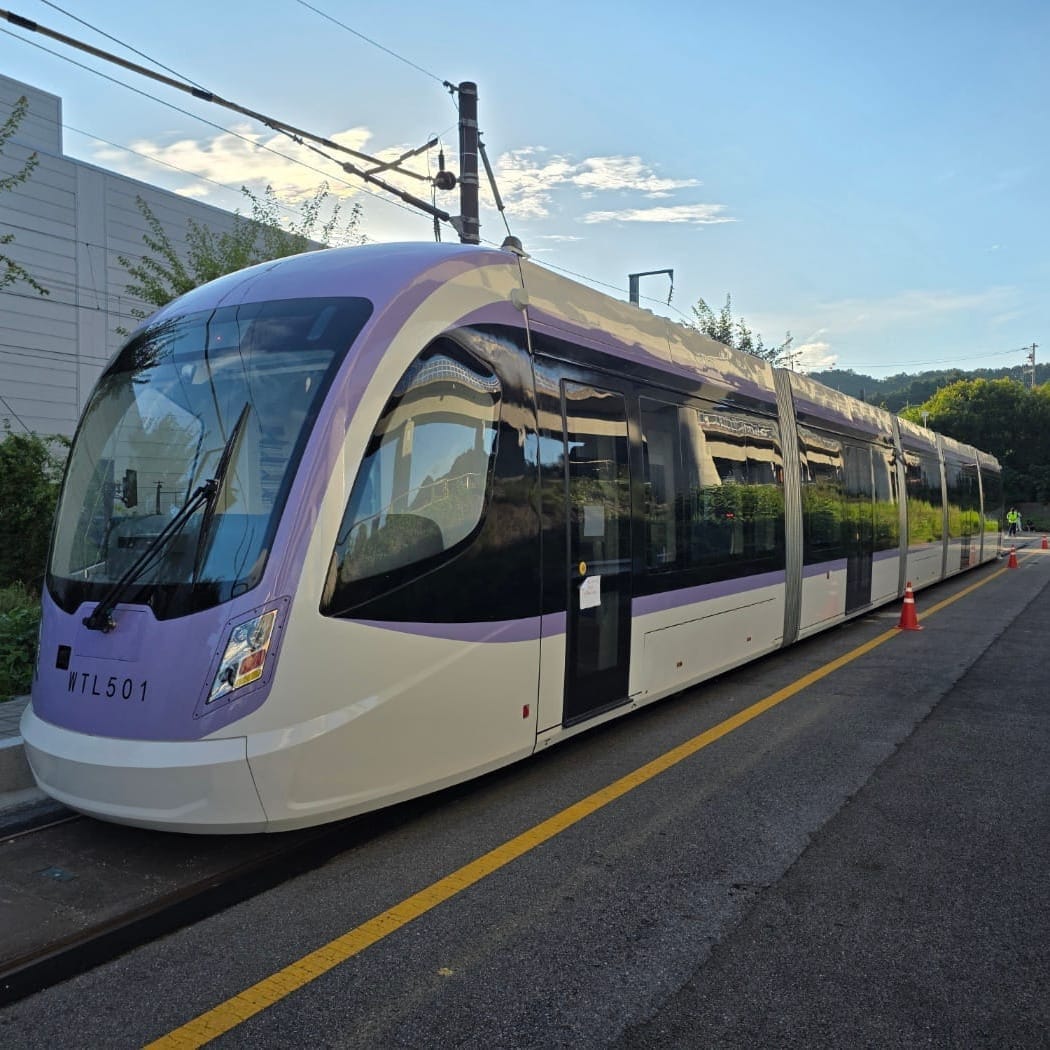
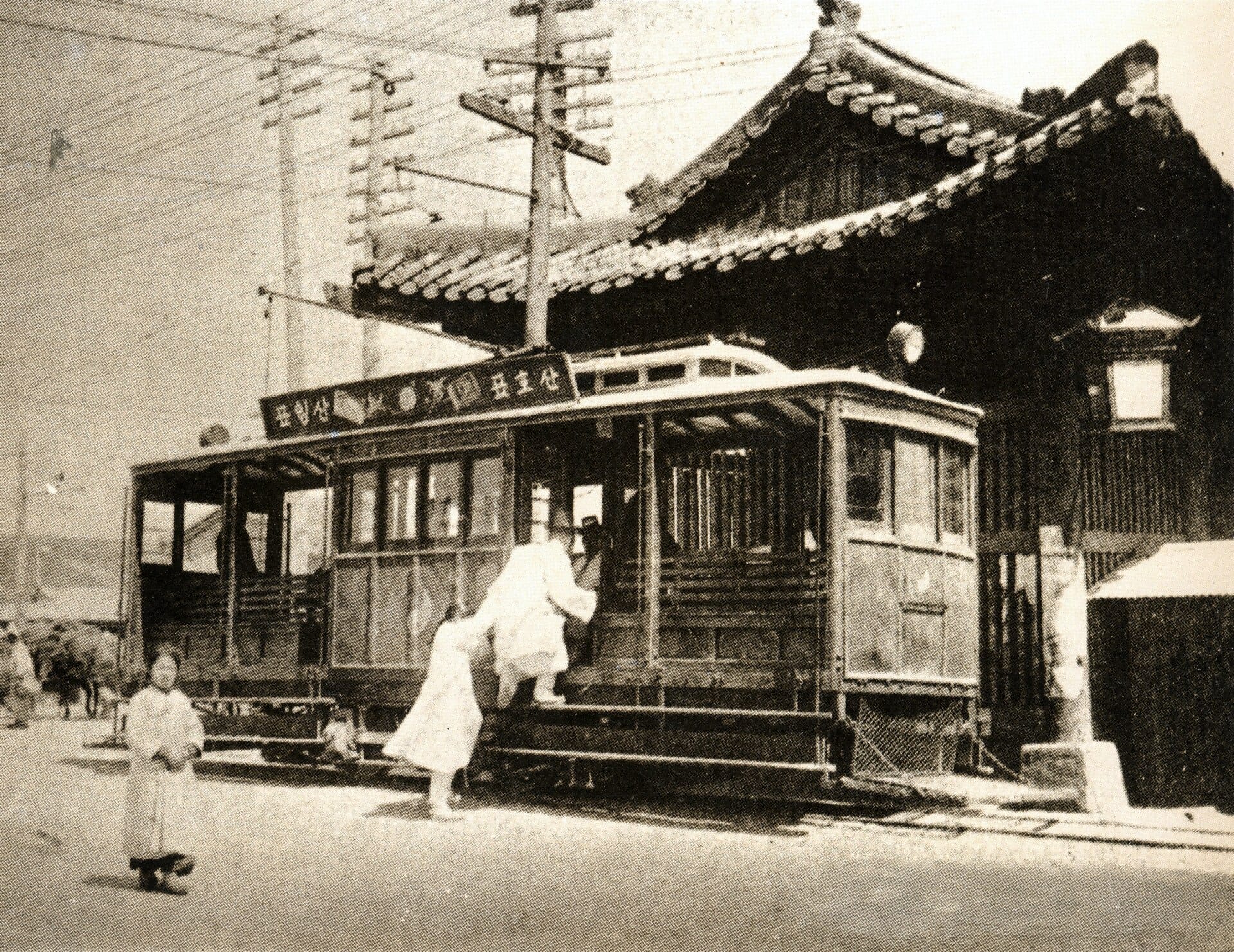
Seoul is now bringing this technology back with the Wirye Line, representing the first time rail has run at street level in the city in over 58 years. While it is often compared to the historic streetcars decommissioned in 1968, the Wirye Line is specifically a tramway. This means that instead of sharing the road with cars, it utilizes its own separated tracks and a wireless, battery powered setup to move through the heart of the residential district.
Wirye New City is located southeast of the core downtown area of Seoul. It is unique because it features mostly level terrain but currently lacks extensive public transportation options. The area was originally used for defense related facilities, including an air defense school, before being converted into a modern city. Because it was developed on former military land, it sits in a pocket that is geographically close to major districts like Gangnam, yet remained isolated from the existing subway network during its early growth.
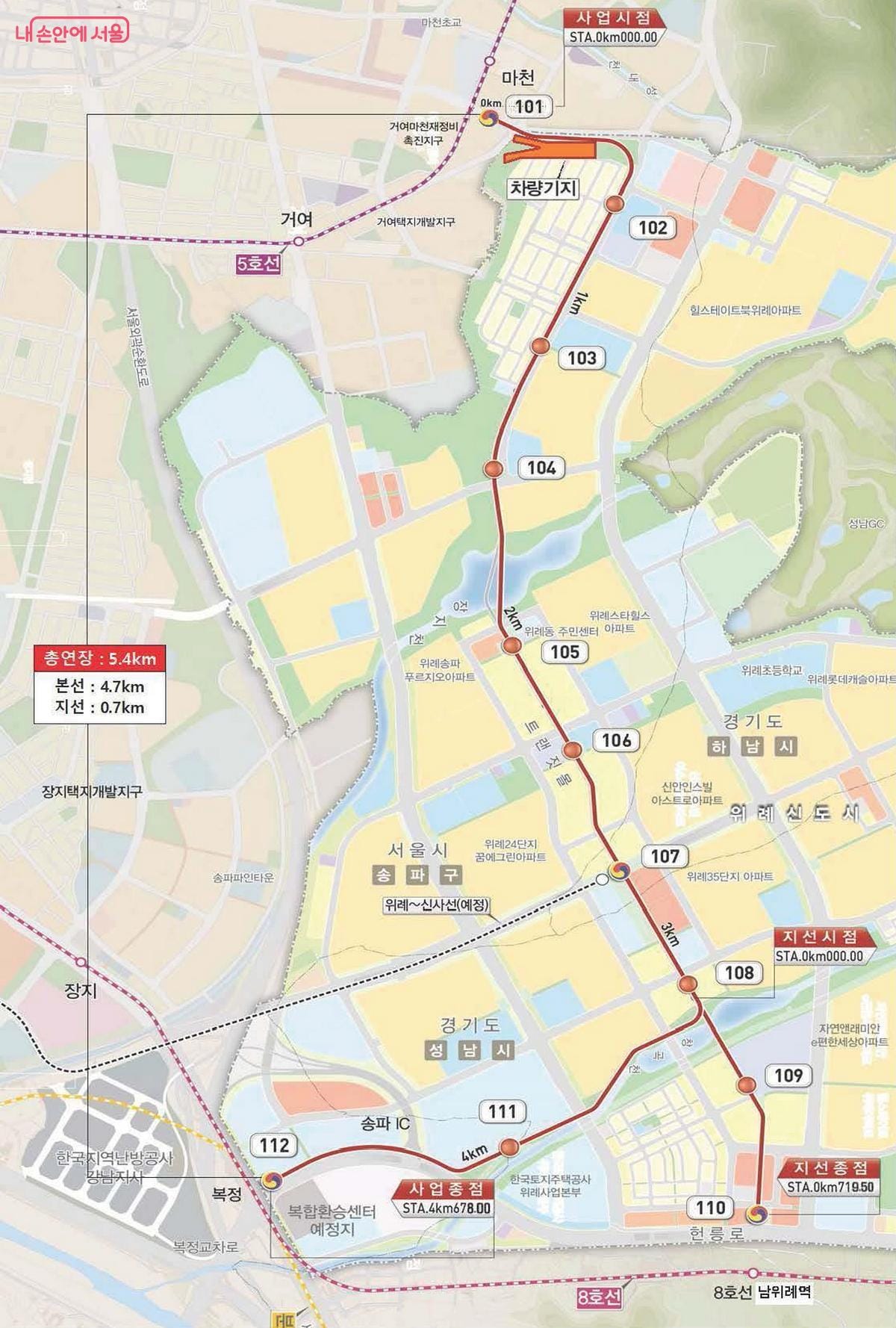
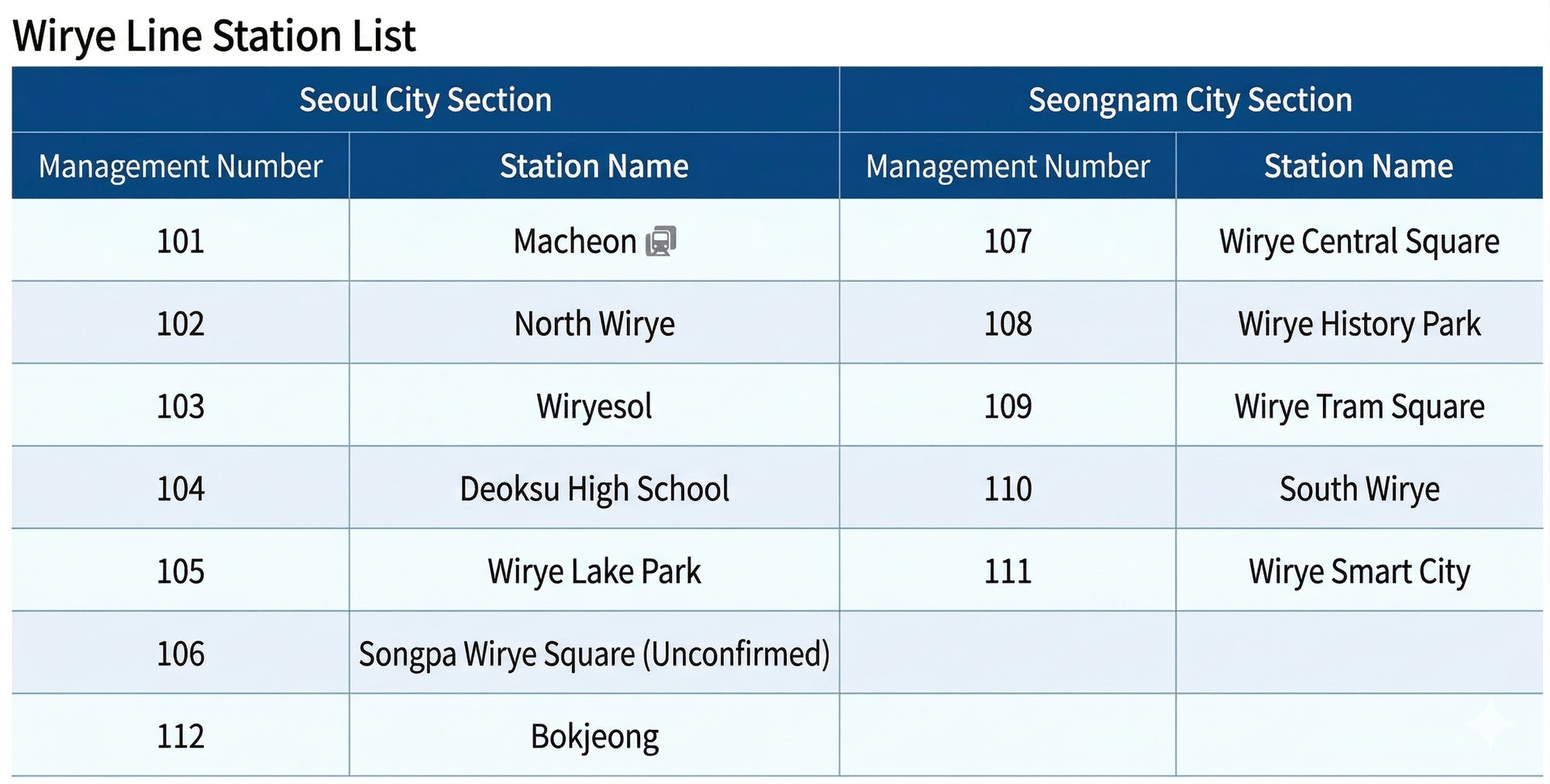
The Wirye Line covers a total distance of 5.4 kilometers, utilizing ten dedicated trainsets to serve 12 stations across the main and branch lines. This configuration is specifically designed to ease traffic congestion by providing a reliable, high frequency alternative to cars and buses within the flat terrain of the district. Along its route, the system crosses 13 vehicle intersections and 35 pedestrian crosswalks at grade level, although a small portion of the line near Songpa Station is built underground. By having a dedicated right of way for most of the journey, the project aims to stabilize travel times for residents who have historically struggled with limited transit access.
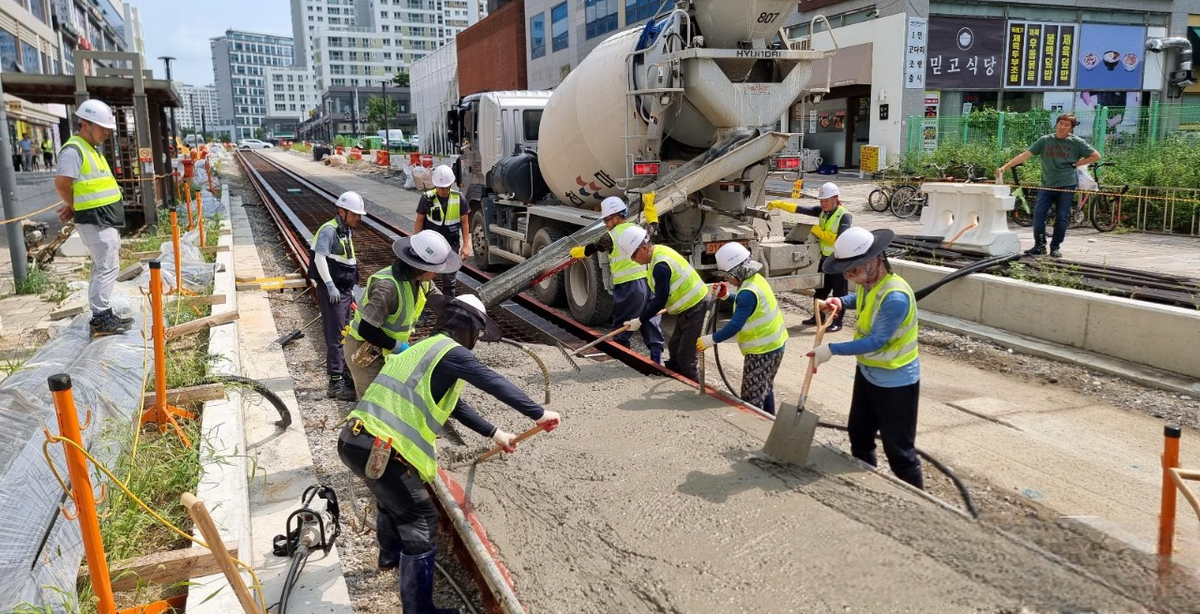
The construction of the Wirye Line began nominally on December 29, 2021. This marked the return of streetcar infrastructure to Seoul after more than half a century. While the project was officially initiated at the end of 2021, the construction work and the formal groundbreaking ceremony at Wirye Central Plaza took place in April 2023.
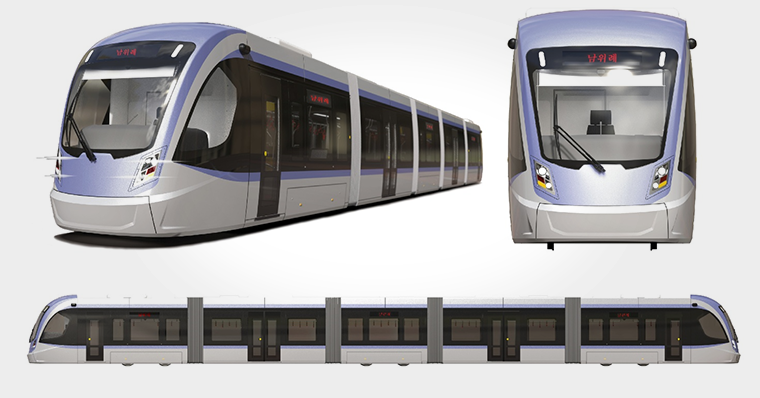
The building process involves the deployment of ten specific trainsets, each made up of five modules. A key part of the infrastructure is the Wirye Vehicle Office, where the depot is constructed underground to save space while the parking tracks are kept at ground level. As of early 2026, the project has reached a progress rate of approximately 92 percent.
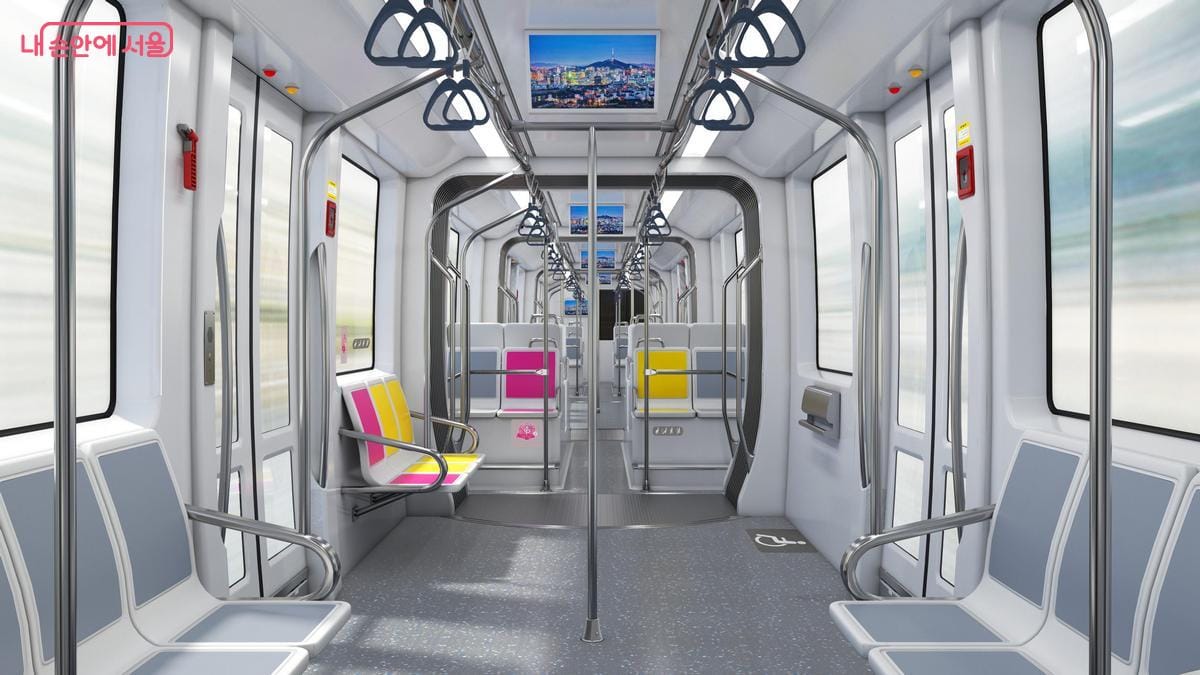
The interior of the Wirye Line tram is designed with a focus on passenger comfort and modern aesthetics. Following a public survey, citizens selected a blue color scheme for the seat cushions to create a calming and welcoming environment. The vehicle features widened aisles and large panoramic windows that allow for significant natural light and a sense of openness during the journey. Because the entire train utilizes a one hundred percent low floor structure, the floor of the vehicle is perfectly aligned with the height of the station platforms. This makes it incredibly easy for passengers with wheelchairs, strollers, or bicycles to board and exit without needing specialized lifting equipment. For safety, the driver cabin is equipped with a high tech collision warning system that uses radar and cameras to detect obstacles and can trigger emergency braking automatically.
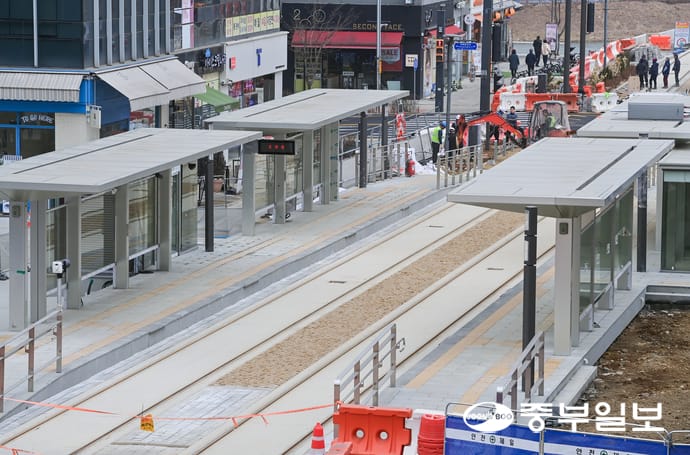
Test runs for the wireless vehicles began in February 2026. These initial trials took place on the northern section of the line to ensure the battery systems and tracks function correctly together. Full scale testing across the entire 5.4 kilometer route is expected to continue throughout the year.
The Wirye Line is currently scheduled to open to the public in December 2026. This date reflects a shift from the original 2025 goal, as the timeline was adjusted to account for permitting delays and the removal of waste materials found at the depot construction site.
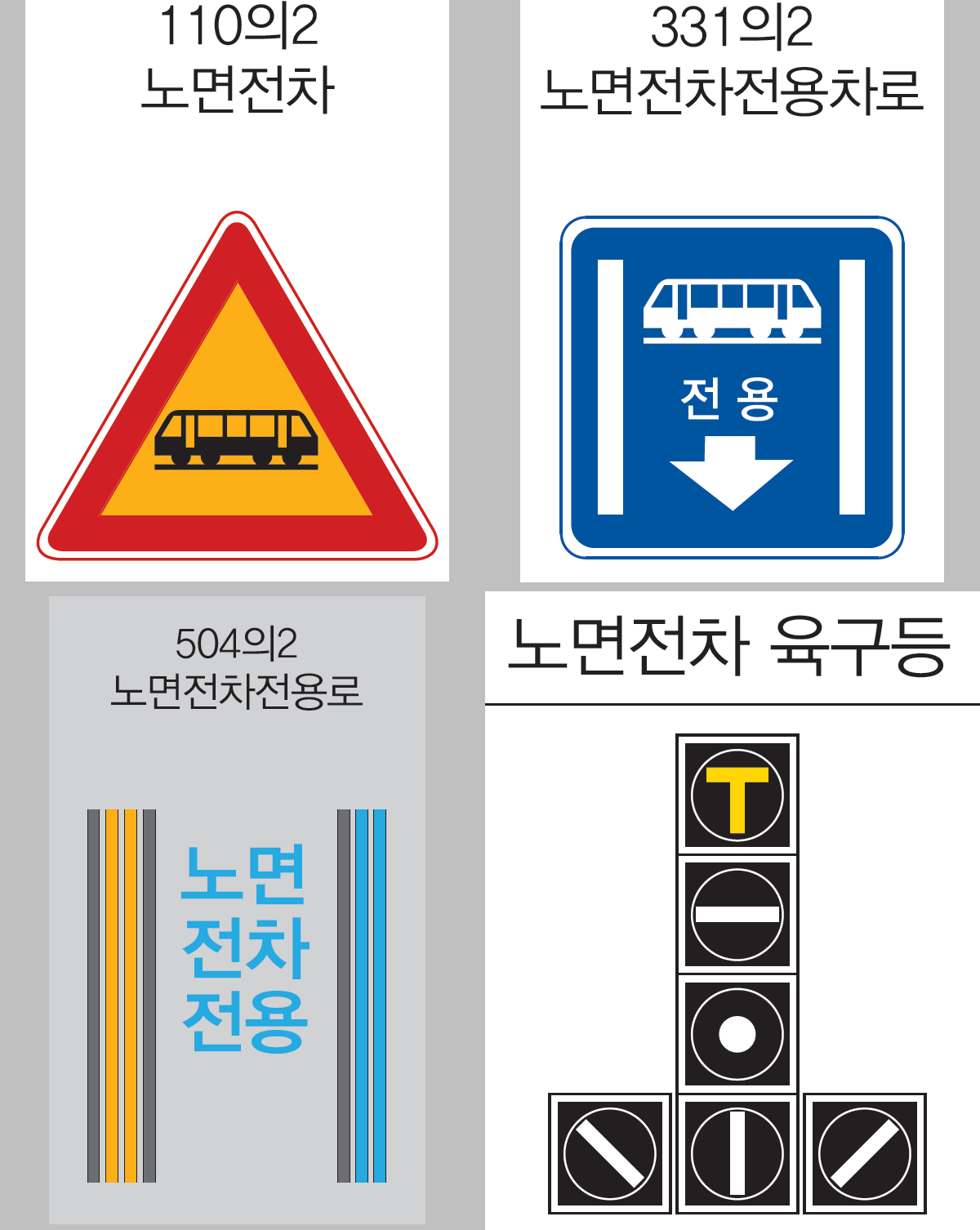
However, the project has faced several potential issues and criticisms during its development. One major factor is the high cost and financial complexity of the transition from a private investment project to a publicly funded one, with the total project investment reaching 261.4 billion won (approximately 173.6 million USD). This shift led to significant delays in the construction timeline. Pedestrian safety is another concern, as the line operates at street level across 13 vehicle intersections and 35 crosswalks without traditional turnstiles or heavy barriers. This layout requires a high degree of awareness from those crossing the tracks, particularly in the 1.3 kilometer (0.8 mile) transit mall section where the risk of collisions with distracted pedestrians is heightened. Additionally, there have been instances of budget waste, such as the 1.595 billion won (approximately 1.06 million USD) spent on the installation and subsequent demolition of an overpass that did not meet the required safety clearance for the tram cars. Some critics also point out that while the line improves internal circulation, its success depends heavily on how efficiently it can transfer large volumes of passengers into the already crowded existing subway lines.
As of March 2026, the Wirye Line has entered its full scale trial run phase, with the first trainsets already in active testing. This final period of verification will continue throughout the year to ensure the battery systems and safety sensors are fully integrated with the new infrastructure. If everything stays on schedule, the public can expect the official opening in late 2026. Beyond just adding a new way to get around, the project represents a significant shift toward a more pedestrian centered urban design for the district. By cutting commute times nearly in half and revitalizing the local transit mall, this tramway will finally bridge the gap that has isolated Wirye residents for nearly two decades. It is a unique project that honors the history of the original Seoul streetcars while setting a new standard for sustainable and accessible public transit in Korea.
Source:
https://mediahub.seoul.go.kr/archives/2012277


 Park Jayeon