The 7 Items I Never Travel Abroad Without
Avoid foreign transaction fees and stay connected anywhere. Here are the 7 essential tools and tech I never travel internationally without.


As an American who has traveled outside of the country a few times, I’ve quickly learned that the difference between a dream vacation and a logistical nightmare often comes down to preparation. I have noticed specific tools and habits that have saved me money, time, and most importantly... kept me out of trouble.
These items are relatively inexpensive compared to the cost of a trip, but they require a little effort to acquire beforehand. Trust me: having these in your arsenal can make or break a trip when things go wrong.

1. An E-SIM or International Cell Plan (Google Fi)
Picture this: you and your friends land in a new country, exhausted. You try to pull up directions to your hotel or call an Uber, but your phone shows "No Service." In a world that is increasingly digital, lacking consistent internet access can leave you stranded.
While you can rely on Wi-Fi, it isn't always available or secure. My suggestion is to ditch the expensive daily roaming fees from standard carriers (which can run $10/day) and look into these two options:
- E-SIM Apps (Airalo or Ubigi): If you have an unlocked phone, you can download an app like Airalo, purchase a data plan for the specific country you are visiting, and install it instantly. It’s often much cheaper than roaming, though keep an eye on data caps.
- Google Fi: If you travel frequently or are open to changing providers, I highly recommend Google Fi. Their "Unlimited Plus" plan covers over 200 destinations. You land, turn off airplane mode, and it just works. I’ve used it seamlessly in South Korea and Canada without skipping a beat.
- Pro Tip: Google Fi also allows you to "pause" service if you aren't using it, which is great for intermittent travelers.
2. An ATM Fee-Free Debit Card
One of the biggest "rookie mistakes" in travel is exchanging currency at the airport kiosks. They offer terrible exchange rates and high commission fees, essentially scamming you the moment you arrive.
Cash is still king in many parts of the world, and the best way to get it is by using a local ATM upon arrival. However, you need the right card.
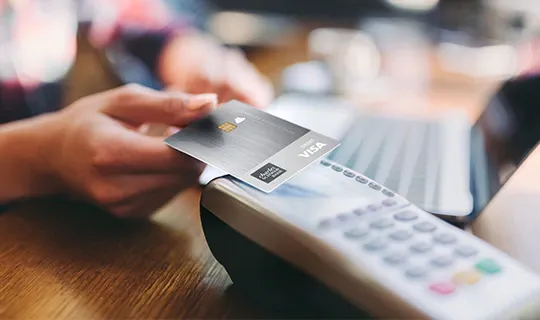
- The Charles Schwab Investor Checking Card: This is the gold standard for travelers. It has zero foreign transaction fees and, best of all, Schwab offers unlimited ATM fee rebates worldwide. Whether the ATM charges you $5 or $15, Schwab refunds you at the end of the month. I have used this card in Peru, Japan, South Korea, Taiwan, and Spain without a single issue.
- Note: Always choose to be charged in the local currency (e.g., Euros or Won) rather than USD at the ATM screen to avoid bad conversion rates.
3. A Passport Case with RFID Blocking & Apple AirTags
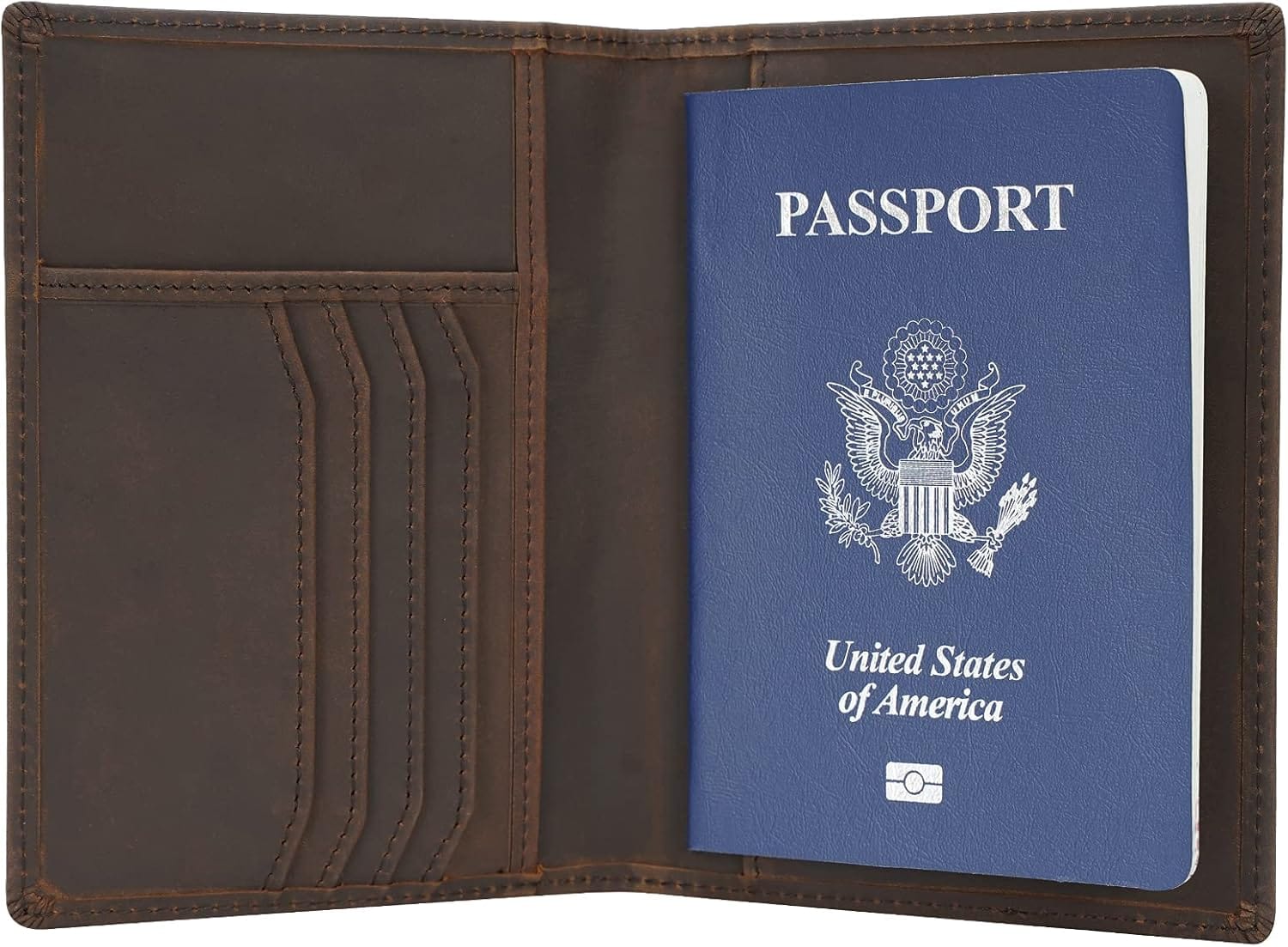
A passport is your lifeline abroad; if it gets damaged, wet, or lost, your trip is over. A dedicated passport wallet (available on Amazon for $10–$20) protects your documents from wear and tear. Look for one with RFID blocking to protect your credit card information, and slots for your Global Entry card, SIM card ejector tool, and vaccine cards.
I also recommend pairing this with Apple AirTags. I typically buy a 4-pack and distribute them as follows:
- Inside the passport wallet.
- Hidden in my main luggage.
- Inside my daypack/backpack.
- On my keys or wallet.
If an airline loses your luggage, you will know exactly where it is (often before they do). It provides incredible peace of mind for a very small investment.

4. A High-Capacity Portable Battery (Power Bank)
Navigating foreign streets using GPS, taking 4K videos, and translating menus will drain your phone battery faster than you expect. A dead phone in a foreign country isn't just annoying; it’s a safety risk.
I carry an Anker 20,000mAh portable charger. This capacity is the sweet spot: it can charge a standard smartphone 4 to 5 times fully, but it is still under the 100Wh limit enforced by the TSA and international aviation authorities for carry-on bags.
- Crucial Rule: Never put portable lithium batteries in your checked luggage. They must go in your carry-on, or they will be confiscated (and are a fire hazard).
5. Reliable, Mobile Luggage (One-Bag Travel)
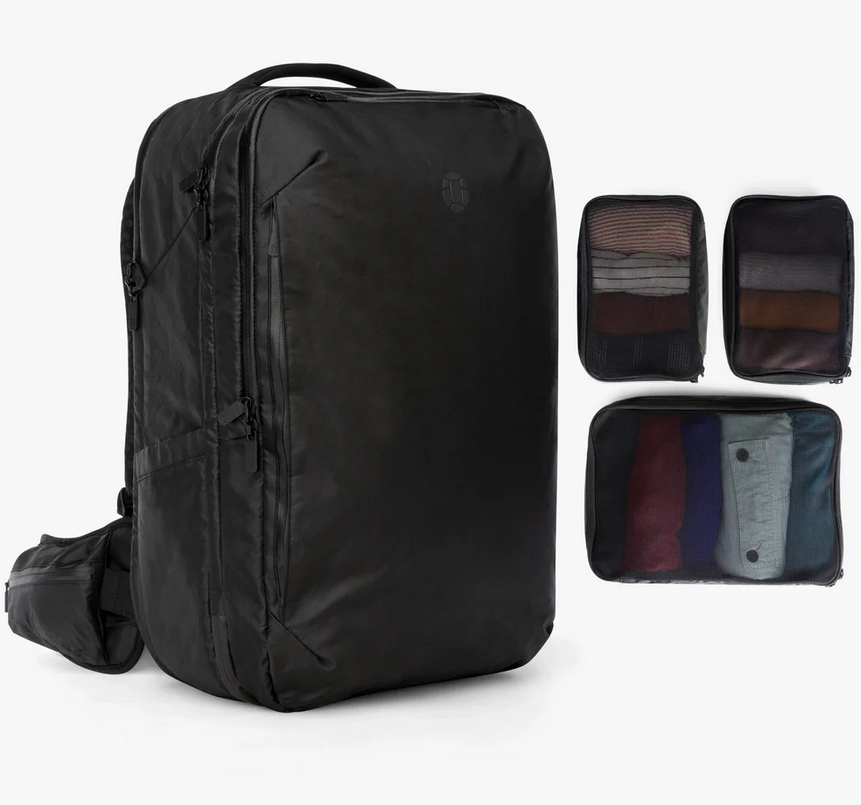
Depending on your travel style, you might prefer a massive roller suitcase, but I am a huge advocate for "one-bag travel" using a carry-on backpack. Dragging a wheeled suitcase across the cobblestone streets of Europe or up five flights of stairs in a hostel is a miserable experience.
I recommend a bag like the Cotopaxi Allpa 42L or the Tortuga 40L.
- Why 42L? This is generally the maximum size allowed for carry-on overhead bins.
- Durability: You want hefty zippers and water-resistant material. Your luggage shouldn't cost an arm and a leg, but it absolutely cannot fall apart halfway through your trip.
6. A Travel Router (GL.iNet Beryl)
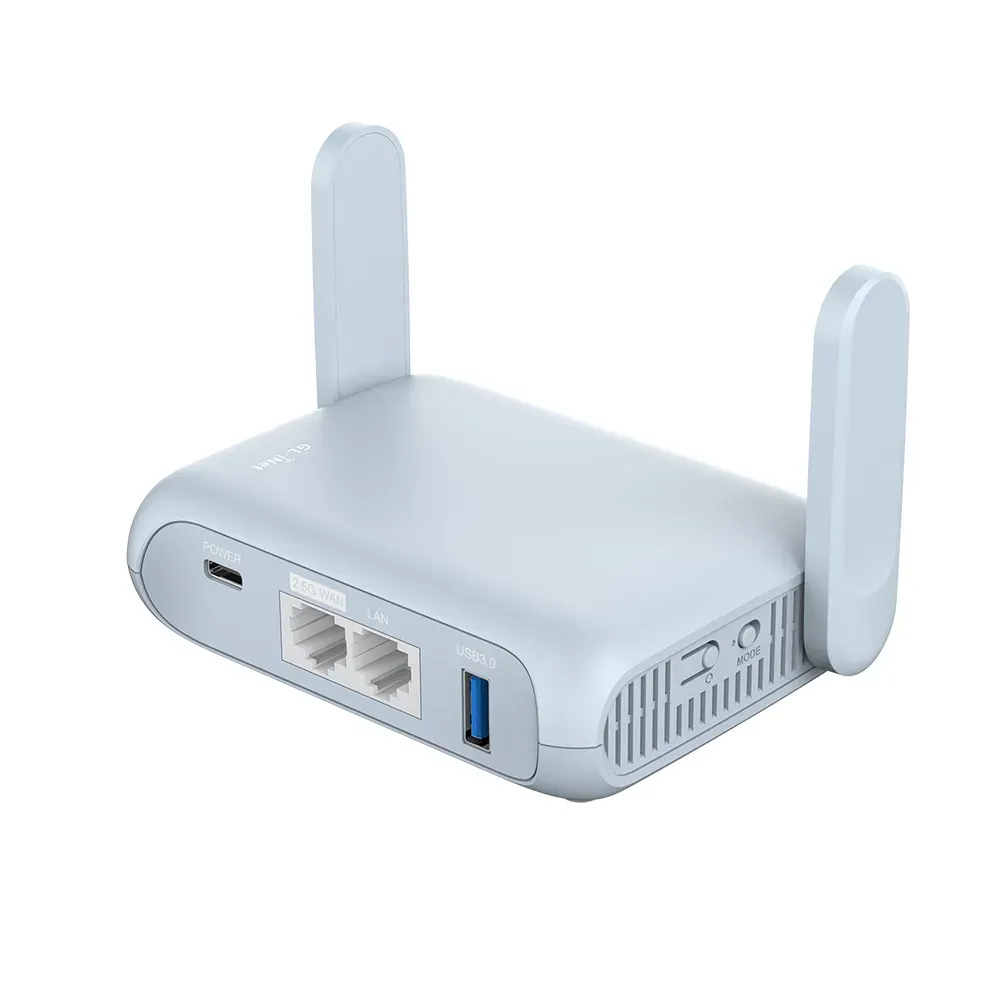
This is a "next-level" item that most people don't think of, but it is essential for digital nomads or anyone working remotely. A travel router, like the GL.iNet Beryl, acts as a bridge between a public Wi-Fi network and your devices.
Why do you need this?
- Security: You can program the router to run a VPN (Virtual Private Network) automatically. This encrypts your traffic, hiding your location and protecting your banking data from hackers on public hotel Wi-Fi.
- Bypassing Device Limits: Some hotels only allow you to connect two devices to their Wi-Fi. With a travel router, you connect the router to the hotel Wi-Fi, and then connect all your devices (phone, laptop, tablet) to the router.

7. Global Entry / Nexus / TSA PreCheck
If you value your time, this is non-negotiable.
- Global Entry ($120): This program allows expedited clearance for pre-approved, low-risk travelers upon arrival in the United States. Instead of waiting in a 2-hour customs line after a long flight, you scan your face at a kiosk and walk right through. It lasts for 5 years and includes TSA PreCheck.
- Nexus: If you visit Canada often, look into Nexus. It offers expedited processing into both the US and Canada.
- Credit Card Perks: Before you pay the application fee, check your wallet. Many premium travel credit cards (like the Chase Sapphire Reserve or Amex Platinum) offer a credit that reimburses this fee every 4 years.
Travel is meant to be an adventure, but nothing kills the vibe faster than a dead phone, a blocked bank card, or getting stuck in a three-hour customs line. While gathering these seven items requires a bit of upfront legwork—like opening a new bank account or waiting for Global Entry approval—the payoff is absolute freedom once you land. By handling the logistics before you leave, you can stop worrying about connectivity and fees, and start focusing on the culture, food, and experiences you traveled halfway around the world to see. Safe travels!