Whoosh: The Engineering and Debt Behind Indonesia’s HSR

What happens when the Indonesian government bypasses free-market hurdles and forcefully bankrolls a megaproject through international, state-sponsored debt? You get Whoosh—Indonesia’s 350 km/h (220 mph) answer to mass transit on the island of Java, a landmass roughly the size of North Carolina packed with over 158 million people. Where American rail projects get paralyzed by funding and bureaucracy before breaking ground, Indonesia pushed straight through the mountains, laid the steel, and started running trains, leaving a massive financial reckoning for later.
Project History and The Construction Timeline
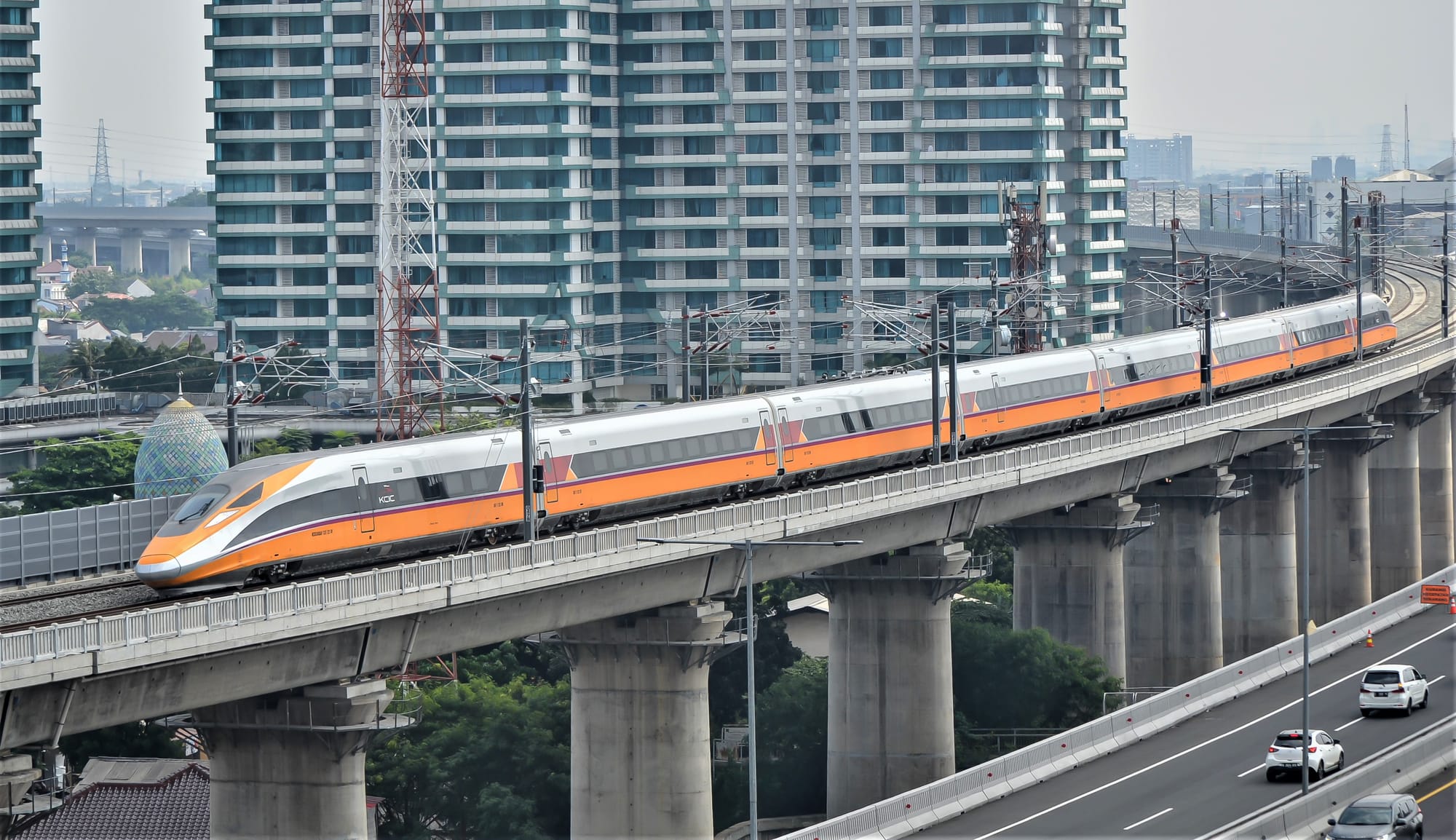
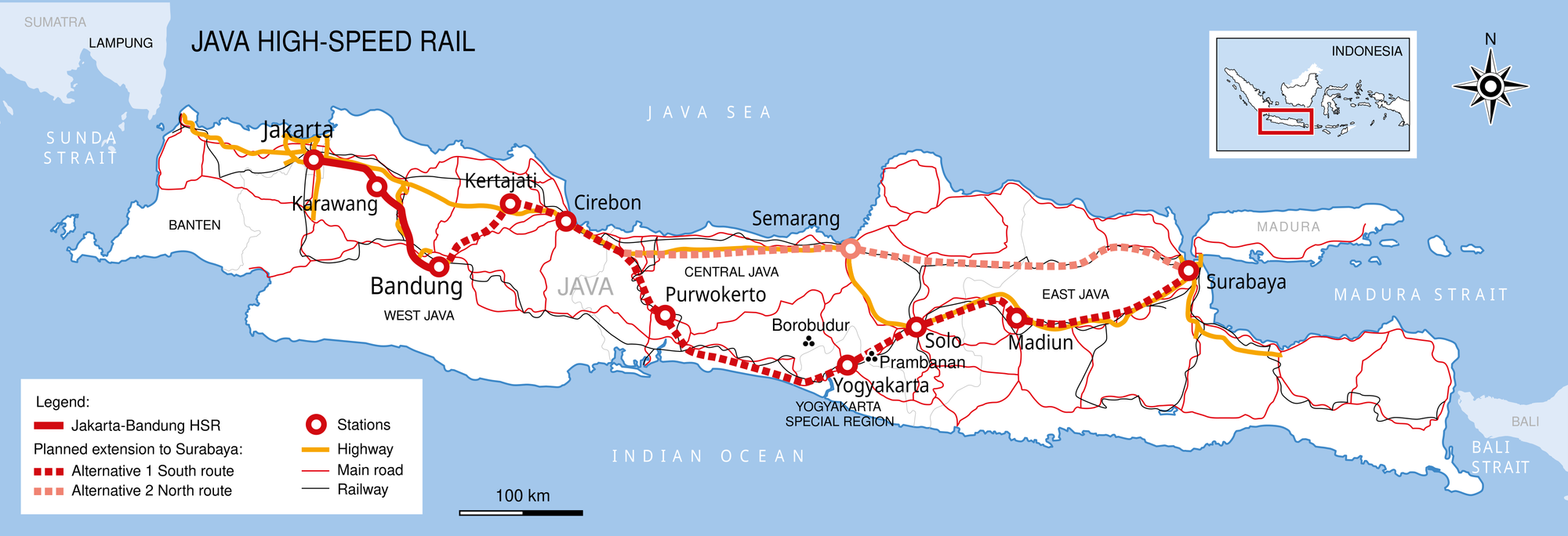
The concept of a high-speed rail link on the island of Java began with a detailed feasibility study conducted in 2014 by the Japan International Cooperation Agency (JICA), which was working to export Japanese Shinkansen technology (currently in India & Taiwan) as the first phase of a broader Trans-Java rail network. However, the Japanese bid was famously undercut in 2015 when China stepped in with a counter-offer heavily backed by its Belt and Road Initiative. China committed to establishing a joint venture with Indonesian firms, known as PT Kereta Cepat Indonesia China (KCIC), transferring related technology, and initially avoiding the need for direct Indonesian government guarantees. After signing the engineering, procurement, and construction contracts in 2017, heavy civil earthmoving and tunnel boring commenced. Unlike North American HSR efforts, the Indonesian project pushed through massive land acquisition hurdles and environmental issues, eventually commencing commercial passenger operations in October 2023. Within the span of 6 years nearly 145km of track was laid and ready for operation. Now, in late 2026, Whoosh has been successfully running for three years, drastically changing regional mobility.
Escalating Costs and The Debt Reality
The Jakarta-Bandung line was originally estimated to cost $5.5 billion (USD), but by the time the final tracks were laid, the total price tag had climbed to $7.3 billion. Because the project was heavily financed by Chinese loans, the operational income is currently struggling to match the massive debt service. Reports indicate that the rail line generates roughly 1 trillion IDR per year ($55 million USD), while the annual debt owed to China hovers around 2 trillion IDR ($110 million). As of late 2026, this immense financial pressure has forced the Indonesian government to restructure the debt into $56 million USD annual installments and draft decrees to transition a 60 percent ownership stake directly to the Finance Ministry to stabilize the system.
Engineering, Design Teams, and Infrastructure Execution with a Price
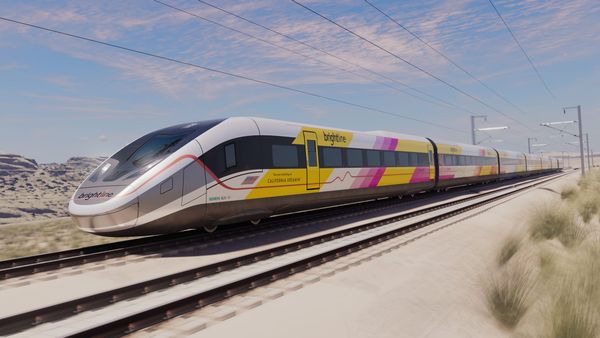
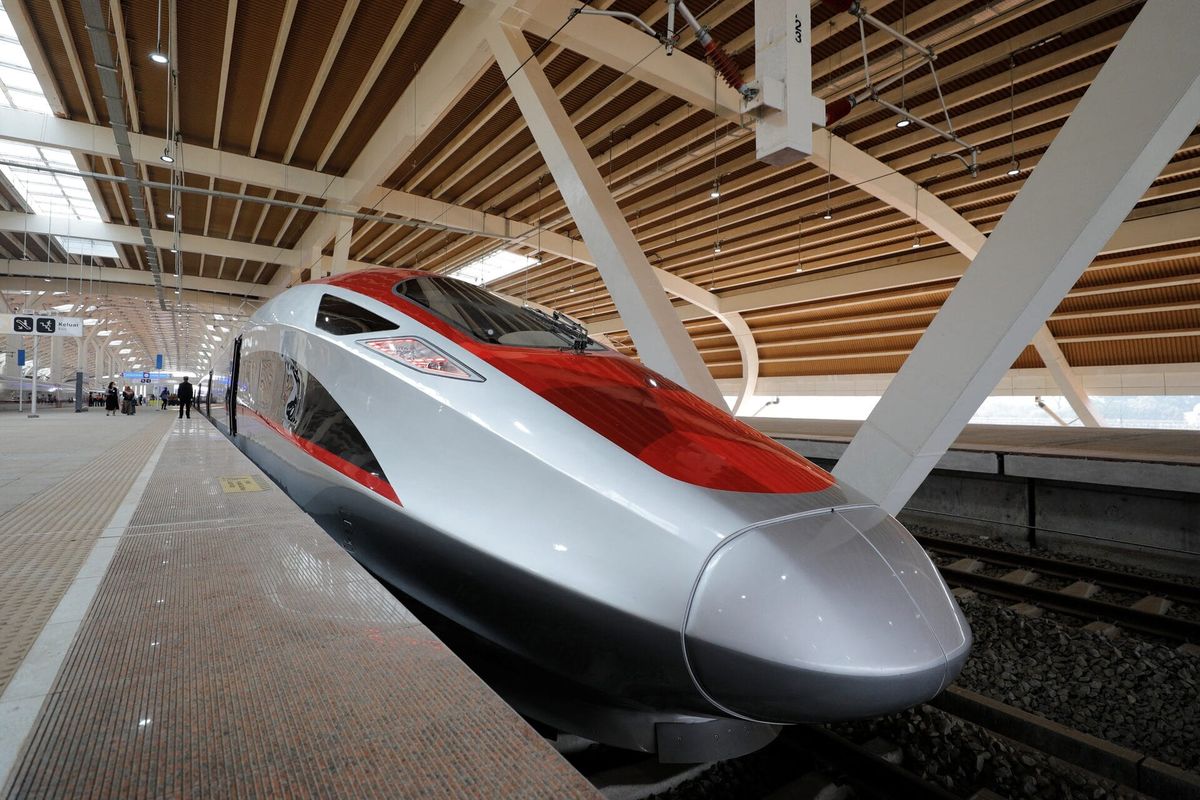
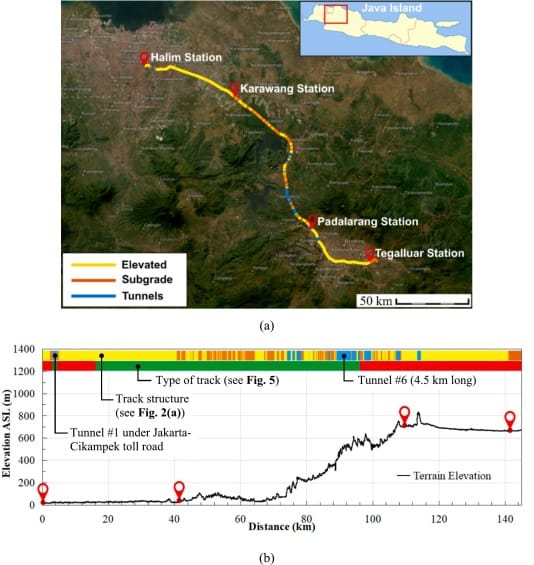
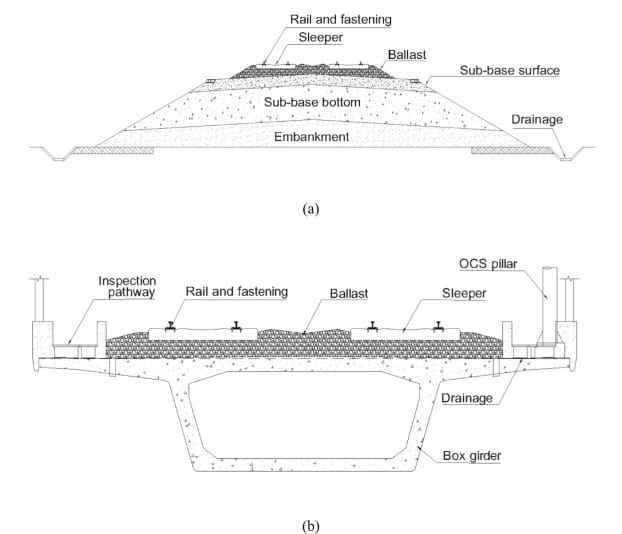
From a civil engineering and project management perspective, completing the Whoosh corridor was a monumental feat of infrastructure execution, though pushing a megaproject through dense, mountainous terrain at a fast pace came with serious trade-offs. The 142.3 km route is built on an electrified double-track standard gauge system powered by a 25 kV AC overhead catenary. To physically build the corridor, the contractor consortium utilized massive tunnel boring machines to navigate West Java's mountainous landscape, ultimately constructing 13 breakthrough tunnels and elevated viaducts. The rolling stock relies on 11 state-of-the-art KCIC400AF trainsets, which are direct derivatives of China's CR400AF Fuxing trains manufactured by CRRC Qingdao Sifang. These electric trains operate at commercial speeds of 350 km/h (220 mph) under a CTCS Level 3 signaling system, managing the engineering challenges of continuous welded rail across tropical, seismically active terrain.
However, rushing to meet aggressive political deadlines resulted in major construction safety lapses, environmental disruption, and pushback from local communities. Throughout the build, the project was plagued by numerous fatal incidents, including a 2018 crane collapse, a 2019 fuel pipeline explosion caused by heavy drilling in Cimahi, and a derailment of a track-laying locomotive in December 2022 that killed two technical workers and forced a temporary government suspension of the entire corridor. Beyond site safety, carving a 650-hectare (~1,600-acre) greenfield path through West Java displaced thousands of residents, while underground tunnel blasting cracked walls and damaged foundations in nearby villages. Environmentally, improper spoil dumping and the paving over of natural water catchment areas clogged local irrigation canals and drainage rivers, which government officials directly linked to severe flooding in Bekasi and along the Cipularang Toll Road in 2020.
The Travel Time and Cost Equation
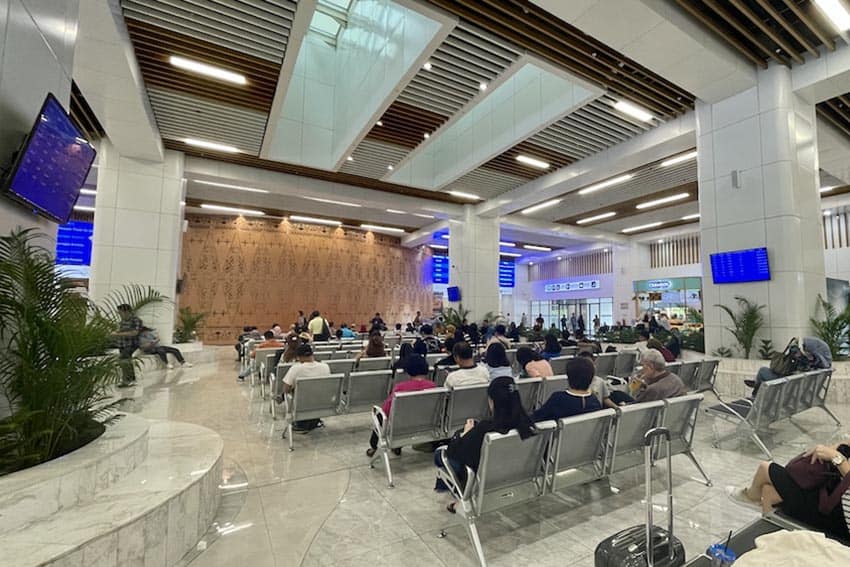
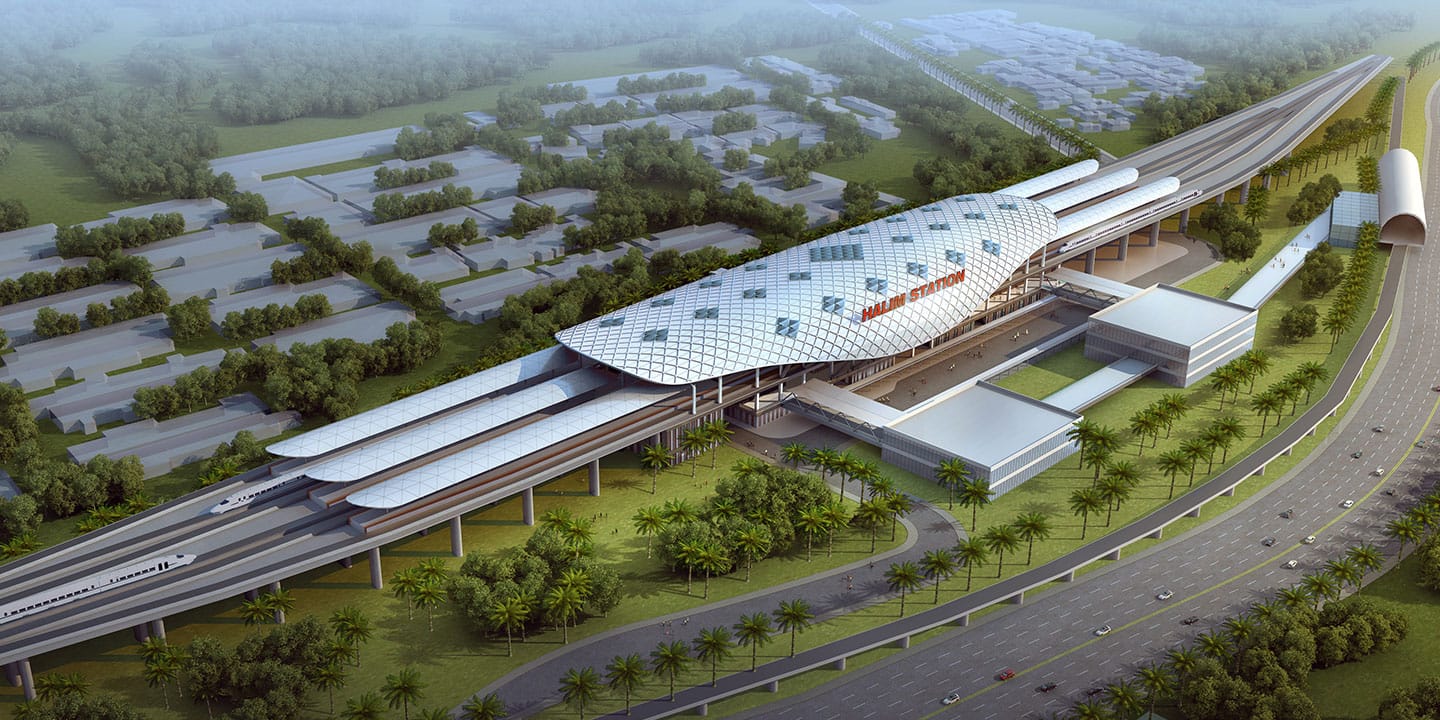
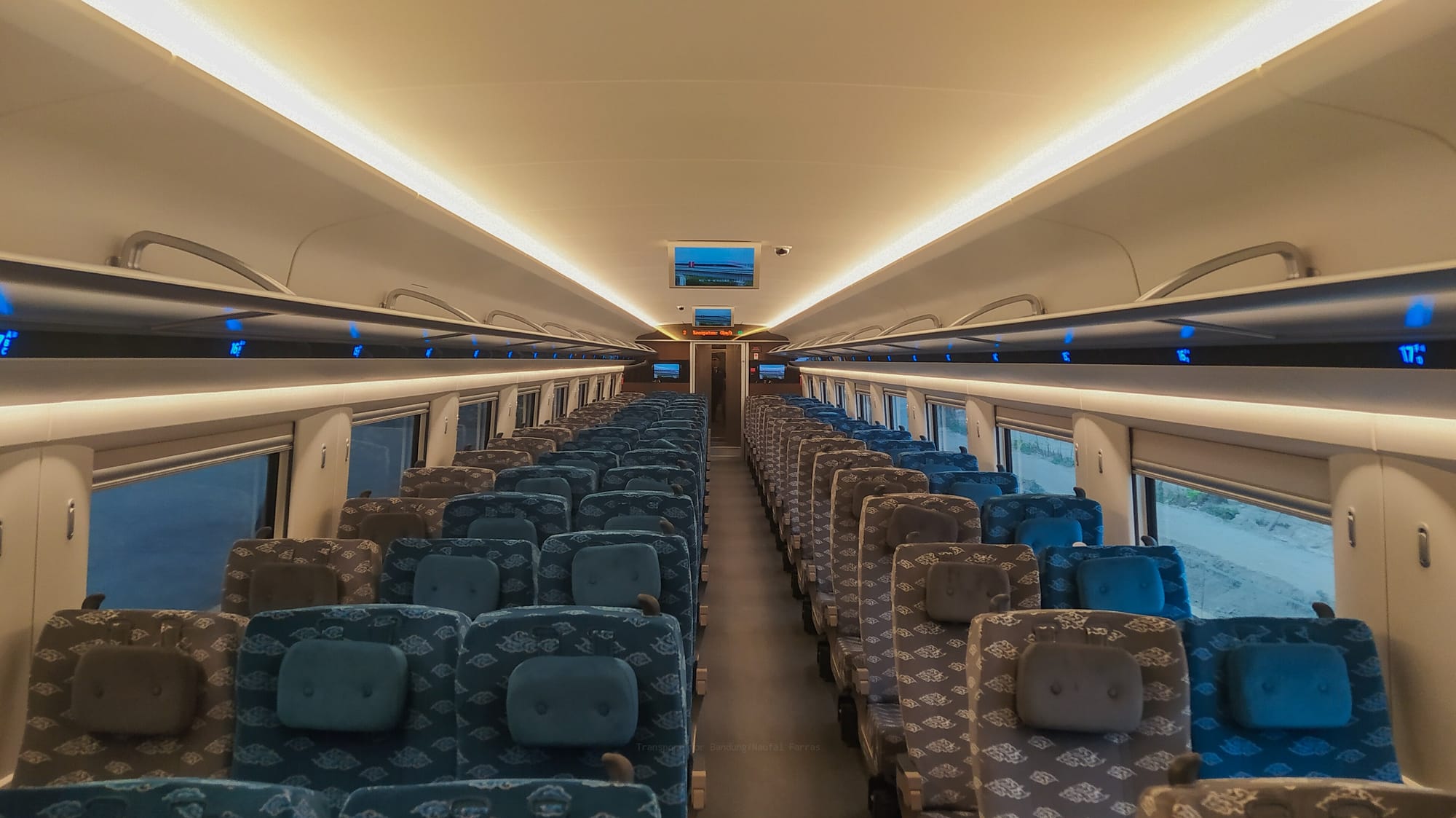
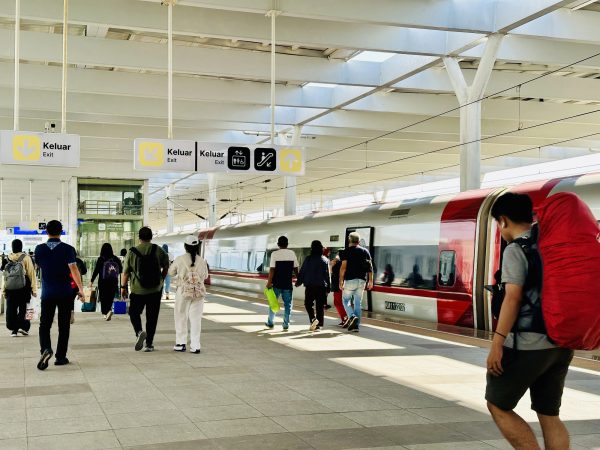
From a transportation planning perspective, the physical results of this project have been transformative for regional mobility. Before Whoosh, the conventional train journey or the drive through heavy traffic between the sprawling metropolis of Jakarta and the highland city of Bandung took upwards of three hours. Today, the high-speed trains operate across four dedicated stations: Halim in East Jakarta, Karawang, Padalarang, and Tegalluar. The HSR journey now takes 35 to 46 minutes depending on the stop. However, none of these terminals are located in a true downtown core. Halim sits roughly 12 kilometers southeast of central Jakarta's business districts, requiring a transfer to the Jabodebek LRT, bus rapid transit, or a rideshare, while Tegalluar and Padalarang sit 15 to 20 kilometers outside central Bandung, forcing riders onto a 19-minute feeder train or shuttle bus to reach the city center. Even with that added transfer time, the system has carried over 15 million passenger trips by early 2026 and operates 62 trips per day with a consistent 30-minute headway (tightening to 20 minutes during peak hours). Dynamically priced tickets typically run between 250,000 and 350,000 IDR (roughly $16 to $22 USD) for Premium Economy, while Business and First Class seats reach 450,000 to 600,000 IDR ($28 to $37 USD). Because the corridor connects Indonesia's economic capital with a major highland getaway and industrial hub, the primary riders are middle-to-upper-income business commuters, Jakarta weekenders escaping to Bandung, and a growing wave of domestic and international tourists. While the subsidized ticket prices keep ridership high and pull cars off gridlocked highways, those low fares are also why operating revenues struggle to cover the massive construction debt.
What’s Next?
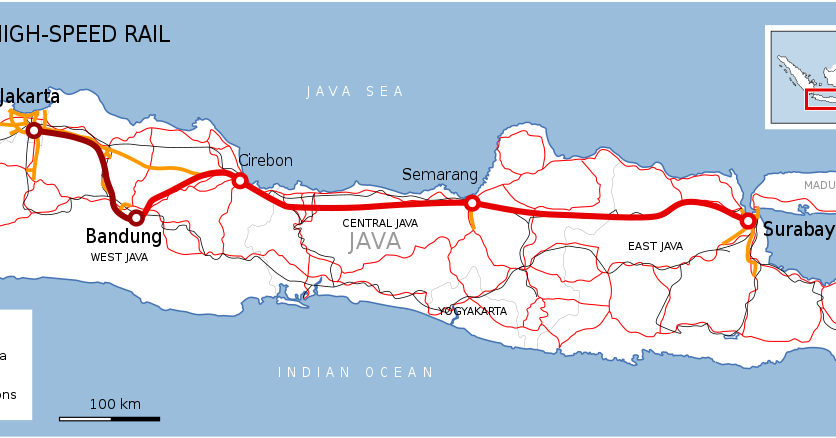
Ultimately, the immediate future of Whoosh comes down to sovereign debt management rather than engineering or ridership metrics. The trains are running, the stations are packed, and the project has successfully proven that true 350 kph rail can operate in Southeast Asia. However, the Indonesian Finance Ministry now has to absorb the massive financial blow of building it. While there are ambitious proposals to extend the high-speed rail line further across Java to Surabaya, any future heavy civil expansion will likely remain paused until the government can fully reconcile its billion-dollar debt with China.
Sources Used:
https://www.sciencedirect.com/science/article/pii/S2590198225000648

 Sebastian Strangio
 GoNOMAD Travel